Reading
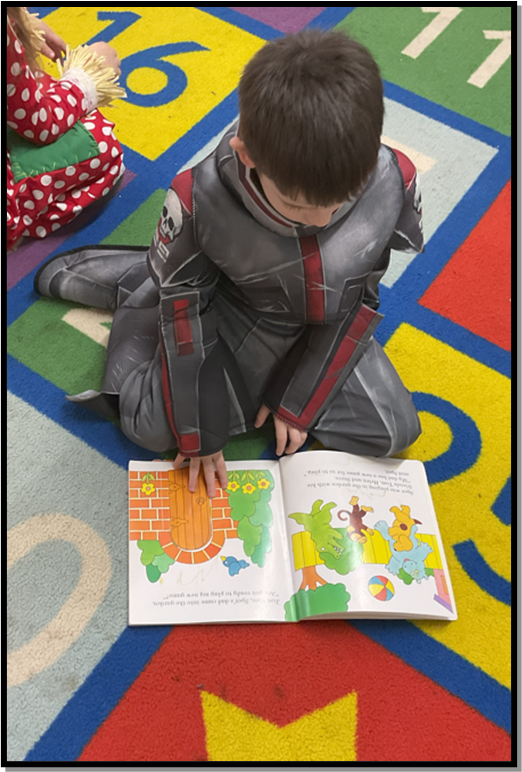
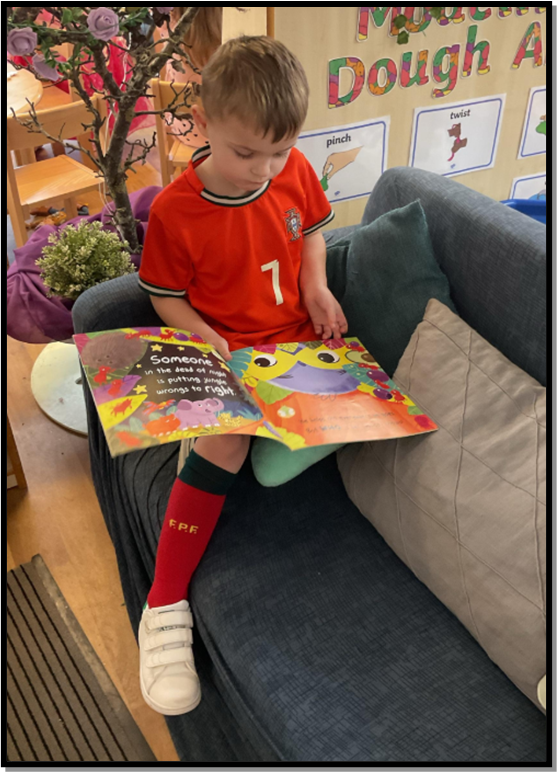
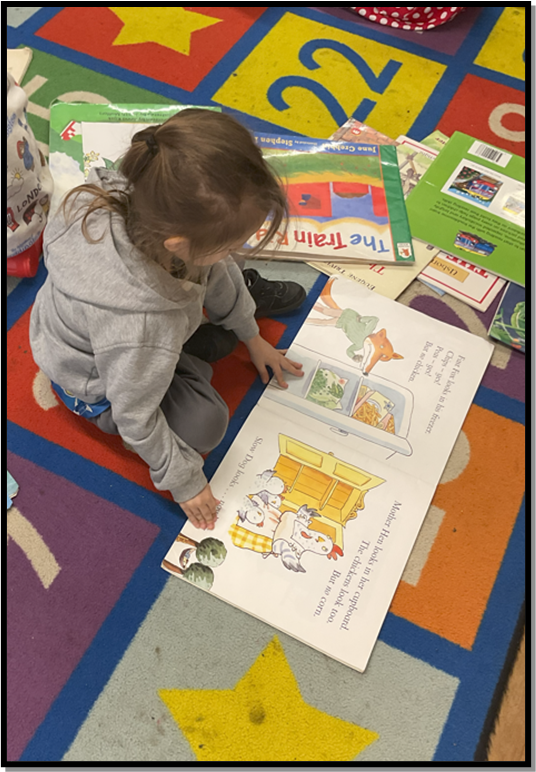
At St Joseph’s we are passionate about fostering a culture of reading. Not only do we aim for all of our pupils to become fluent, confident readers who can access a wide variety of age-appropriate texts, but we want to create an atmosphere that celebrates the joy of reading for pleasure. We truly believe that reading is the key which unlocks the rest of the curriculum; therefore, our reading policy is carefully designed to ensure that progression and engagement are prioritised in equal measure.
Our School Library
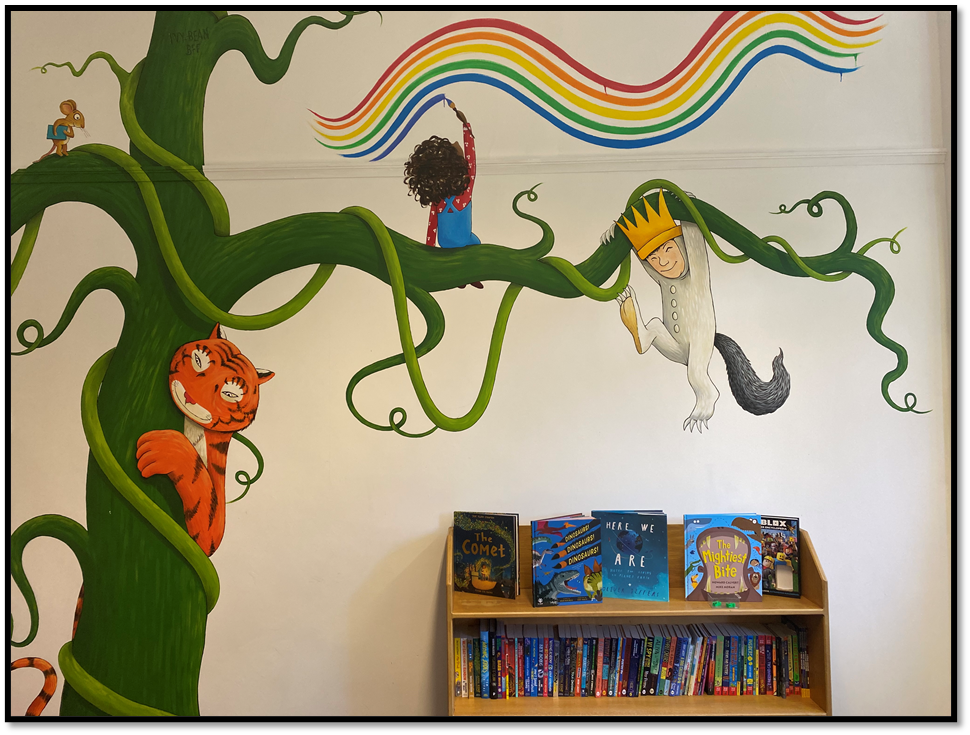
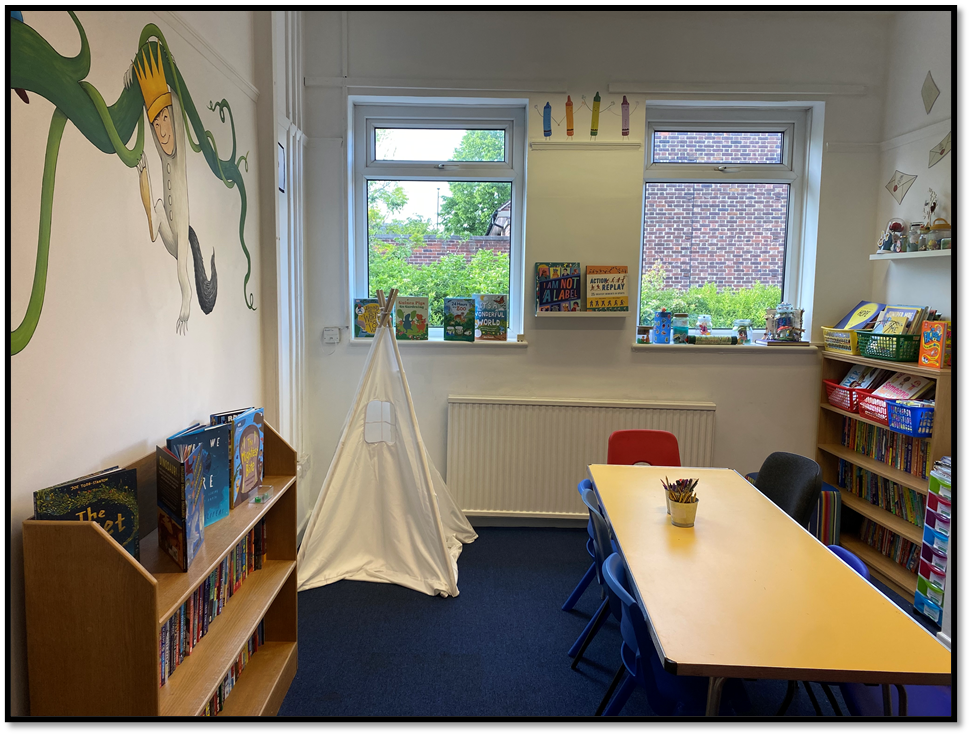
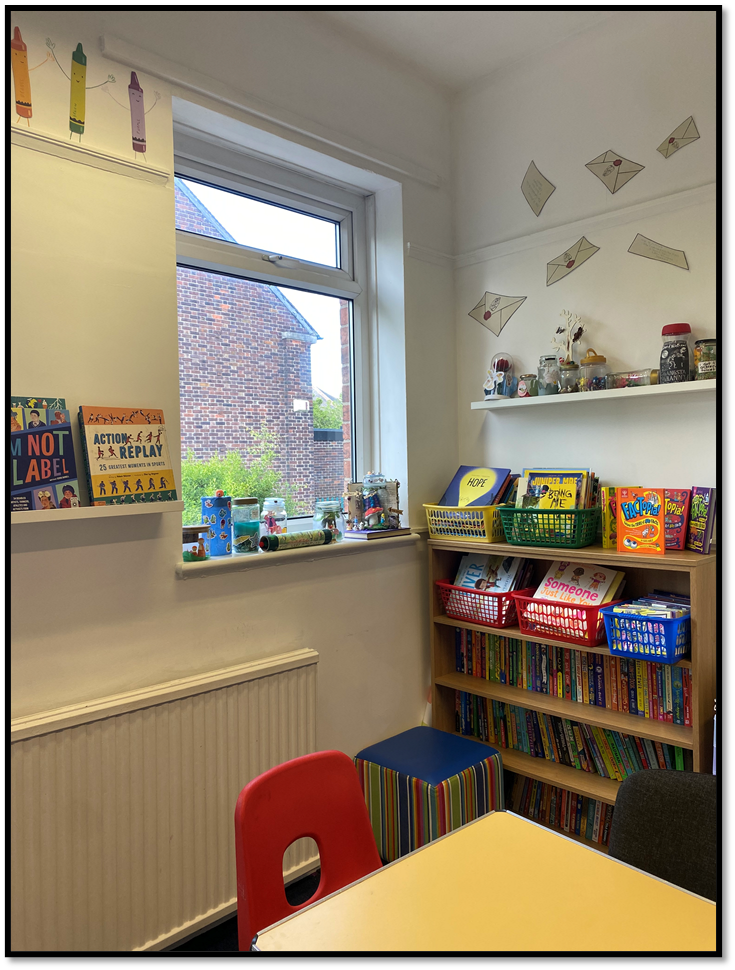
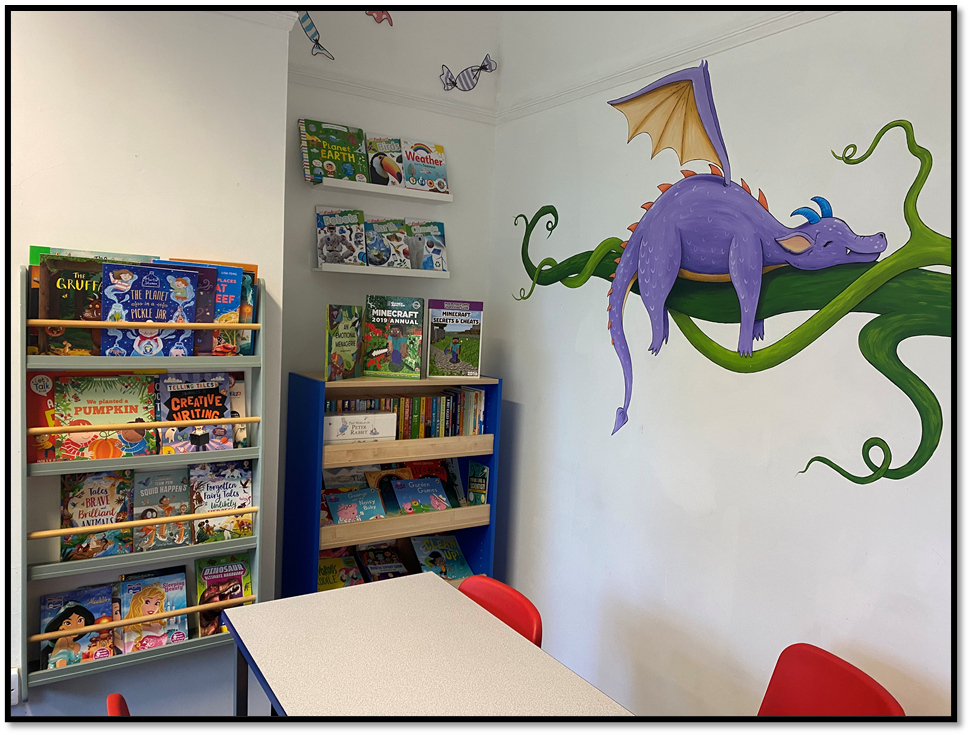
Our school library is a welcoming space that supports both reading and learning. Surrounded by colourful, engaging murals of familiar literary faces, it is well-stocked with a wide range of new fiction and non-fiction books to inspire students of all interests and abilities. The library also serves as an intervention space, providing a calm and supportive environment for focused learning and academic support.
Our KS2 Reciprocal Reading Curriculum
In KS2, our children follow a structure that draws on Christopher Such's 'Primary Reading Simplified' scheme.
The Class Novels for each year group have been mapped out so that they offer an appropriate lexile score, while also covering Doug Lemov’s 5 Plagues of Reading: Archaic Texts, Non-Linear Time Sequences, Complexity of the Narrators, Complexity of the Plots, and Resistant Texts. This allows each year group to study a variety of text types which will also include a diverse range of characters, cultures and themes.
Extended Read
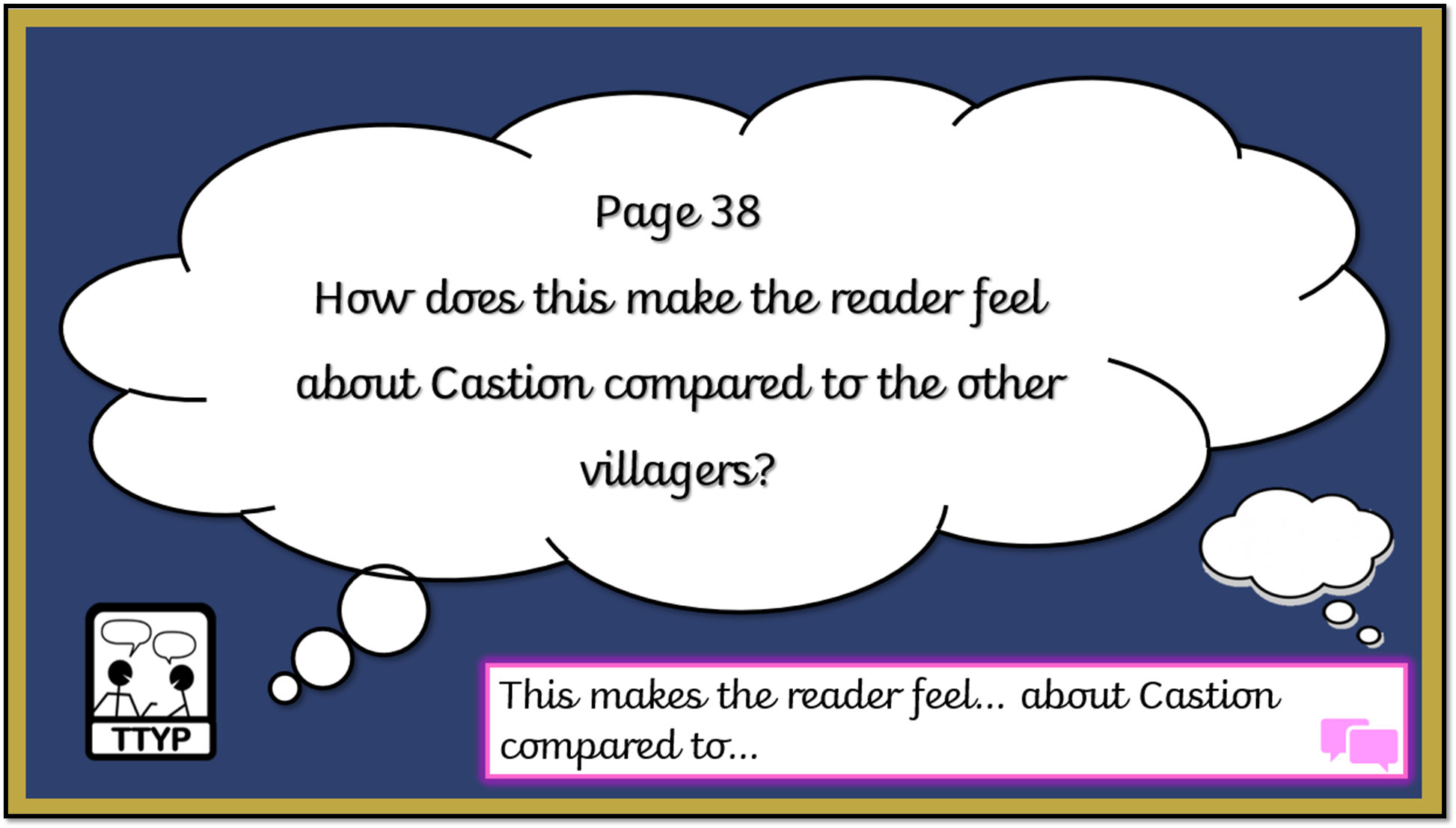
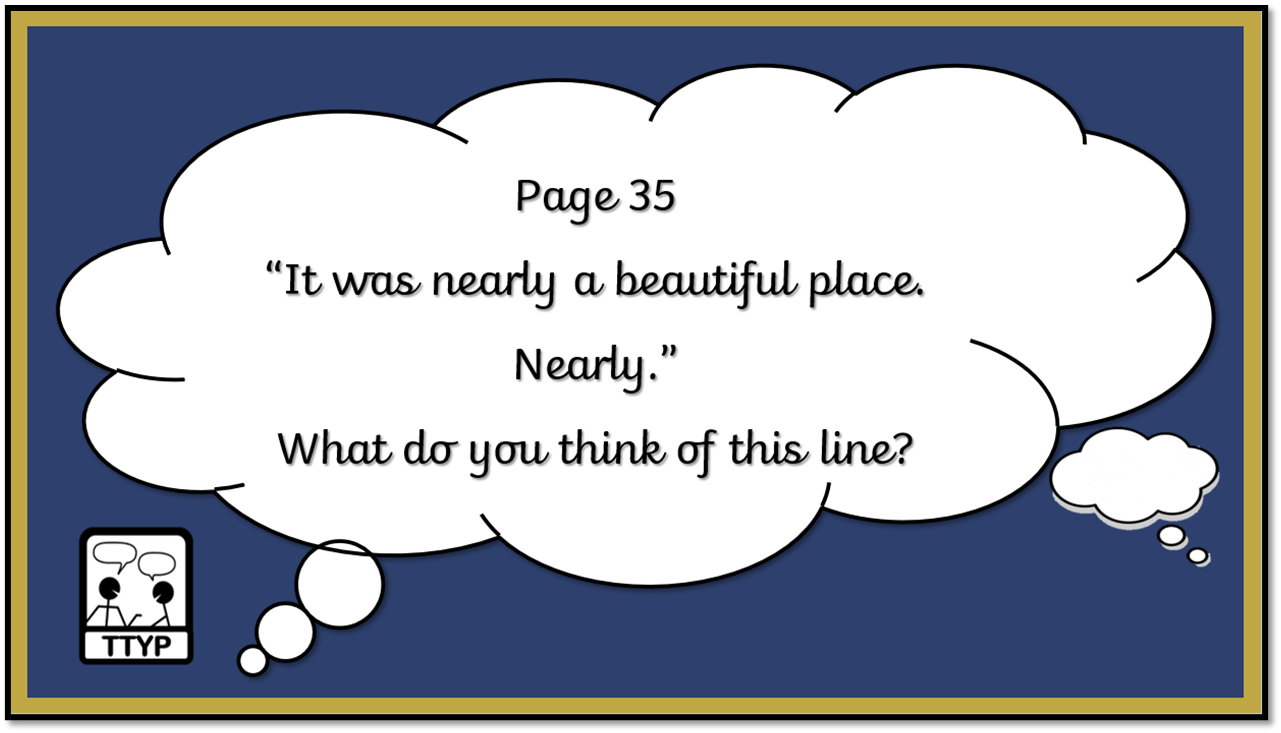
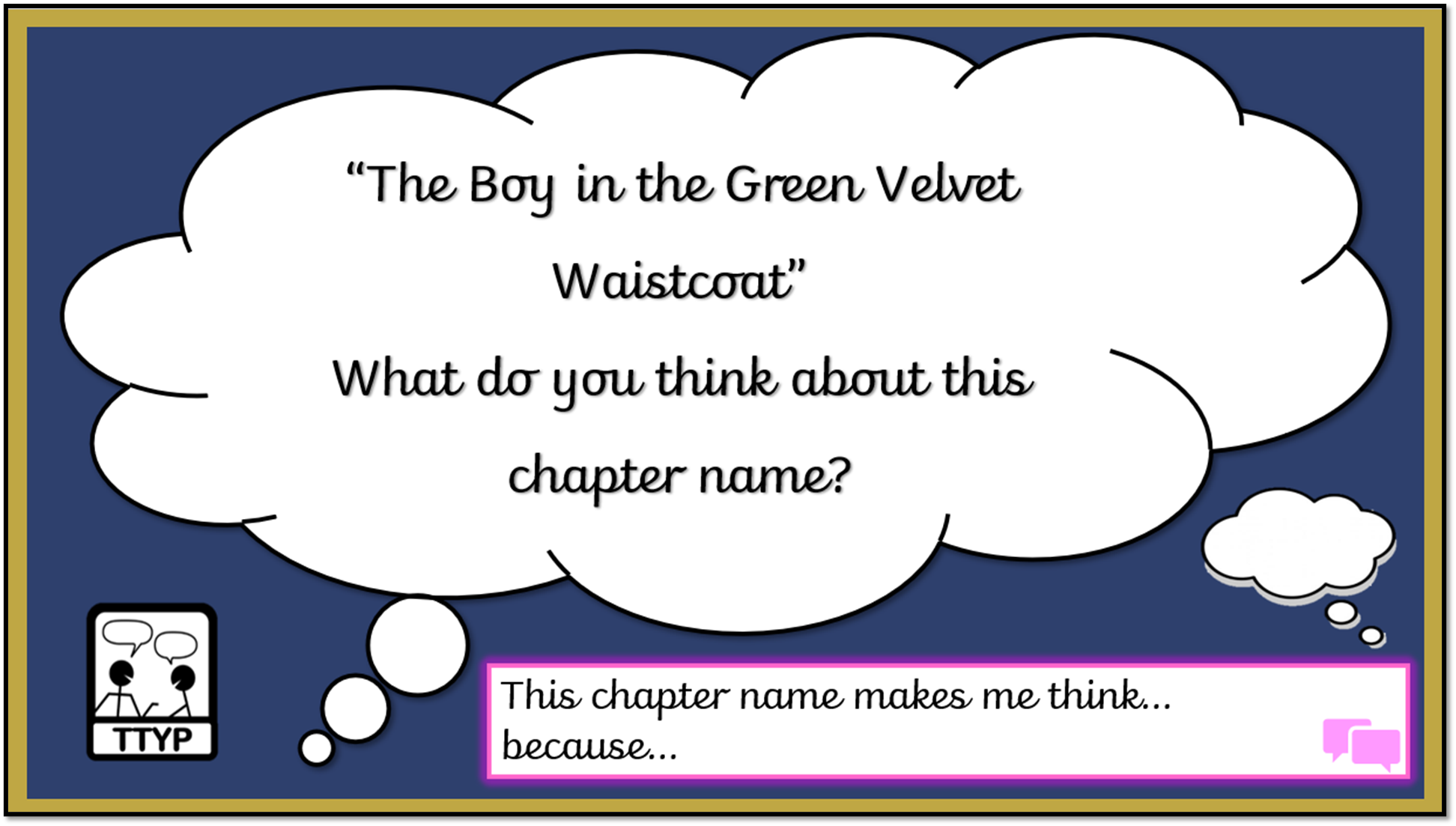
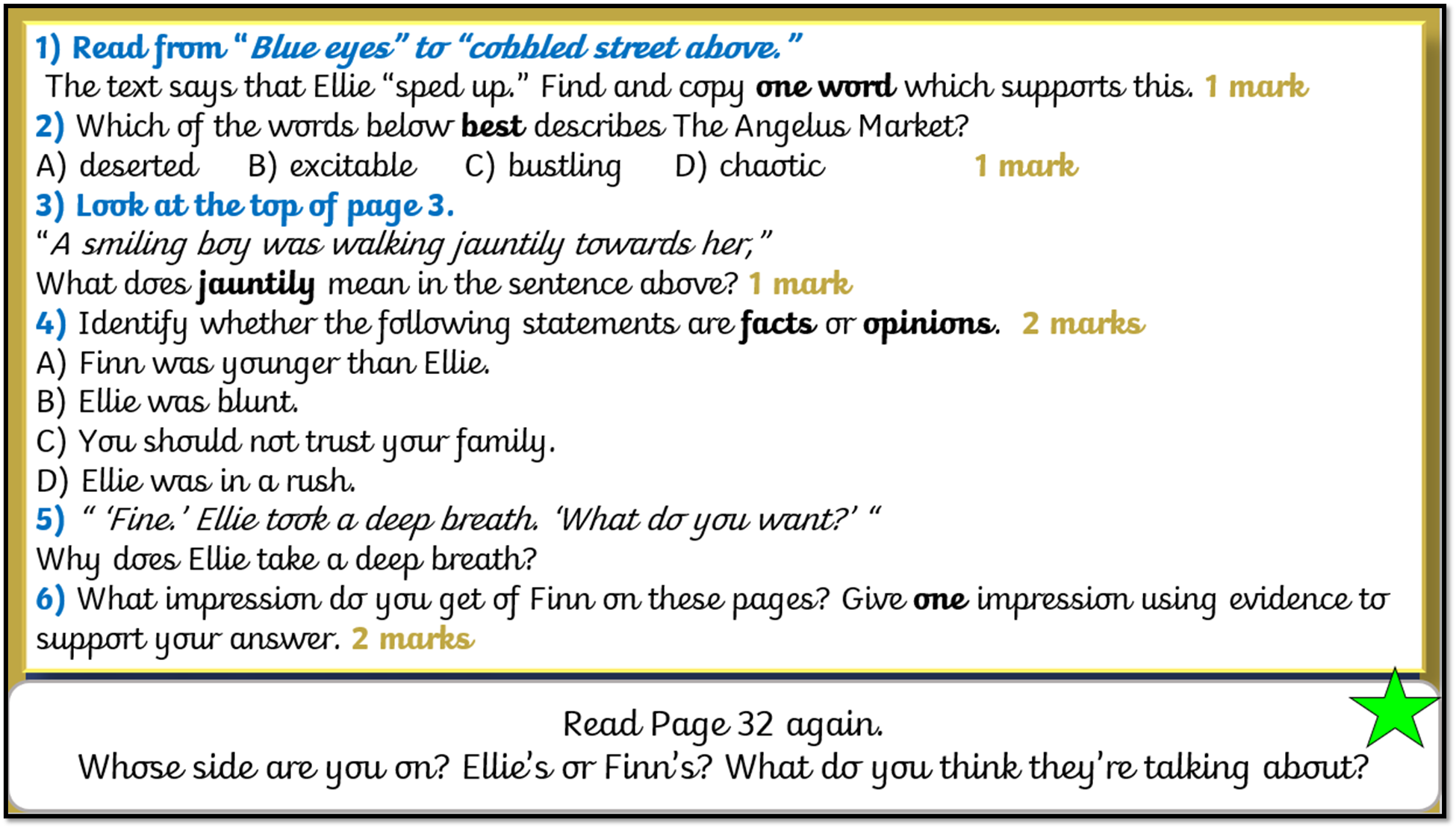
Our extended read sessions are simply an opportunity for children to become lost in a book. At least twice a week, the class teacher will read a chapter or section of the class novel whilst the children follow along in a shared copy of the text. As the teacher reads, there should be pre-planned pauses throughout – frequent enough to explain and dissect the text, but not so frequent that they disrupt its flow. These discussion questions should be rooted in authorial intention, language meaning, and a sense of subjective analysis: “Why do you think the author has chosen to tell us this?”; “How are you feeling right now? Why?”; “Why has the author used this piece of language?”
Our extended read lessons mean that our children can be exposed 2,000-3,000 words, all before breaktime. Through clear and engaging teacher modelling, all children can access the text and engage in low-stakes, rich book discussion that encourage critical thinking and authorial interrogation.

Close Read
After reading the chapter/section in its entirety, the children will then go on to answer a set of comprehension questions on an extract they encountered the day before. These questions will expose them to a variety of essential comprehension skills, including – but not limited to – retrieval, inference, summary, prediction and comparison. We aim to give children a breadth of questions that allow them to become confident, analytical readers who use textual evidence to make informed judgements. Teachers are confident in asking open-ended, discursive questions that prompt children to think, question and predict. By Year 6, we want our pupils to feel secure in answering a variety of question types, and to exercise a genuine love and fascination towards rich, high-quality texts.

Fluency Read
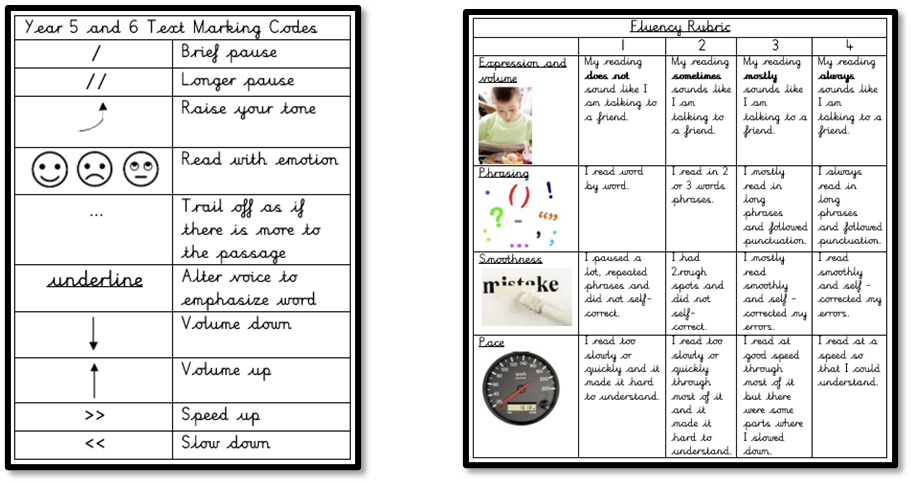
We know that one of the biggest barriers to children's comprehension is their reading fluency and speed. For some children, the transition from phonics to whole-class reading can be quite overwhelming. Therefore, we ensure that our KS2 curriculum includes frequent opportunities to practise fluency. Lower down school, Fluency Reads take precedence for some of our early independent readers, and will inform a lot of children's interventions. We know that, once pupils can read fluently, they face fewer challenges when answering comprehension and discussion questions. Therefore, once or twice a week, children will engage in a Fluency Read session. This will typically involve a short, non-fiction text, generally linked to a history, geography or science topic. The teacher will model reading aloud, with the class 'echo reading' with the exact same intonation and speed. They will practise this, as a class, until the teacher believes all children are confident in accessing this independently. They will then take their own copy of the text, and text mark. Text marking is a process in which children annotate their extracts based on how they believe their voice will change as they read. The texts will be annotated to show when pupils will raise or lower their voice, when they will pause, when they will speed up, and when they will incorporate emotion or emphasis. This allows pupils to exercise their own interpretations of how different sentences should be recited. By marking their text, this supports children in creating a script that they can then rehearse and adapt before volunteering to read aloud to their classmates. Pupils can then mark each other’s performances against our Fluency Rubric, offering specific and constructive feedback from an aural perspective.
Creating a Whole-School Reading Culture
Our love for reading starts right away in FS2!
We enjoyed attending the 'Foundation Reading Spa' during the recent heatwave!
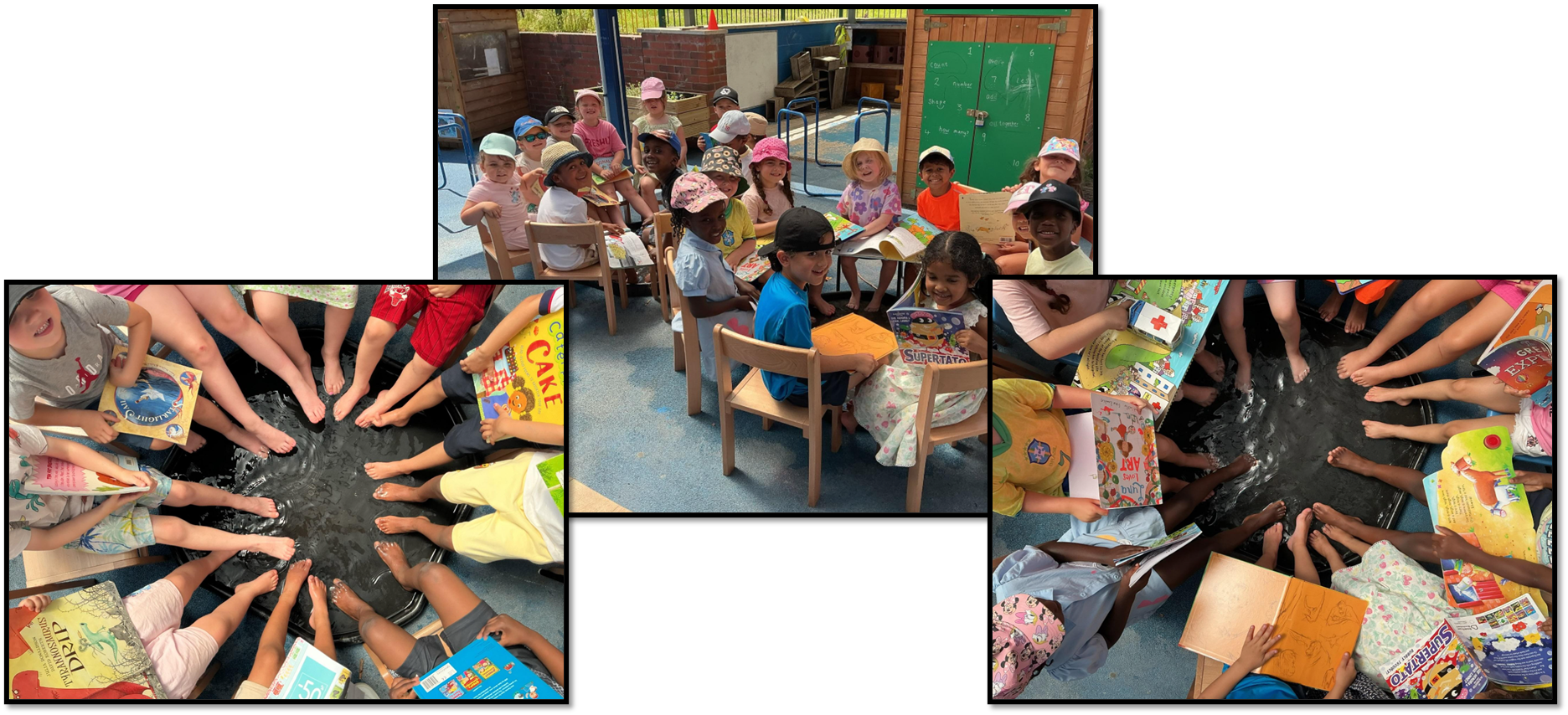
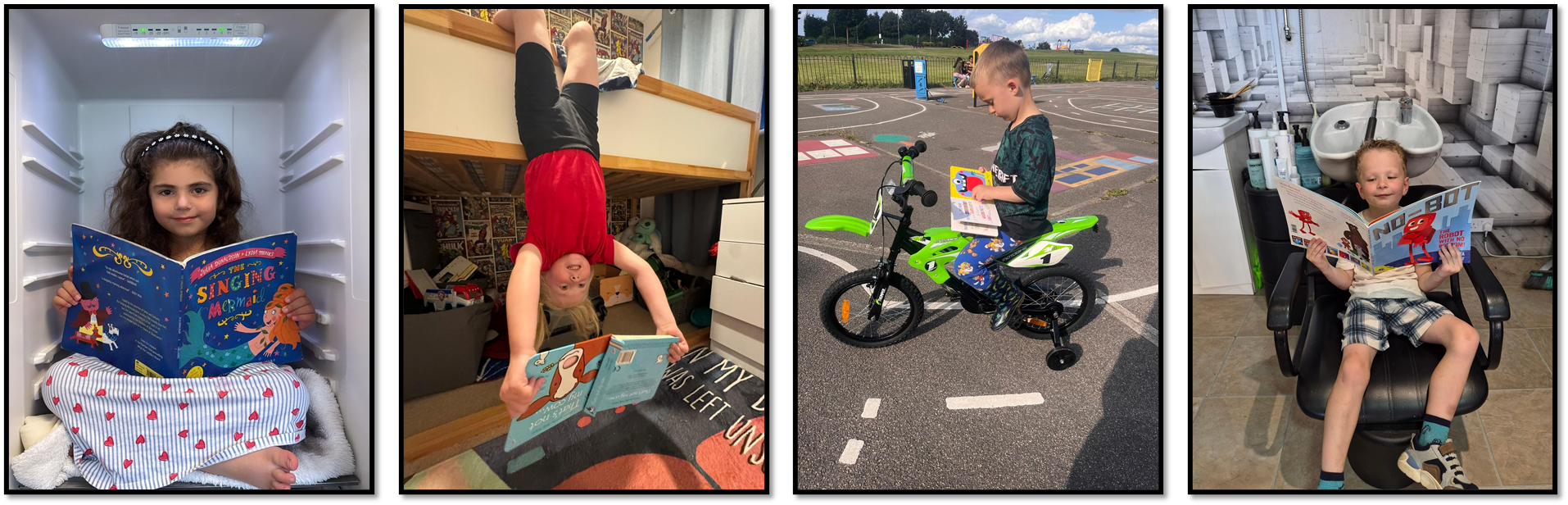
And when it comes to the joy of reading... we will read everywhere. And we mean, EVERYWHERE!
Reading Scrapbooks
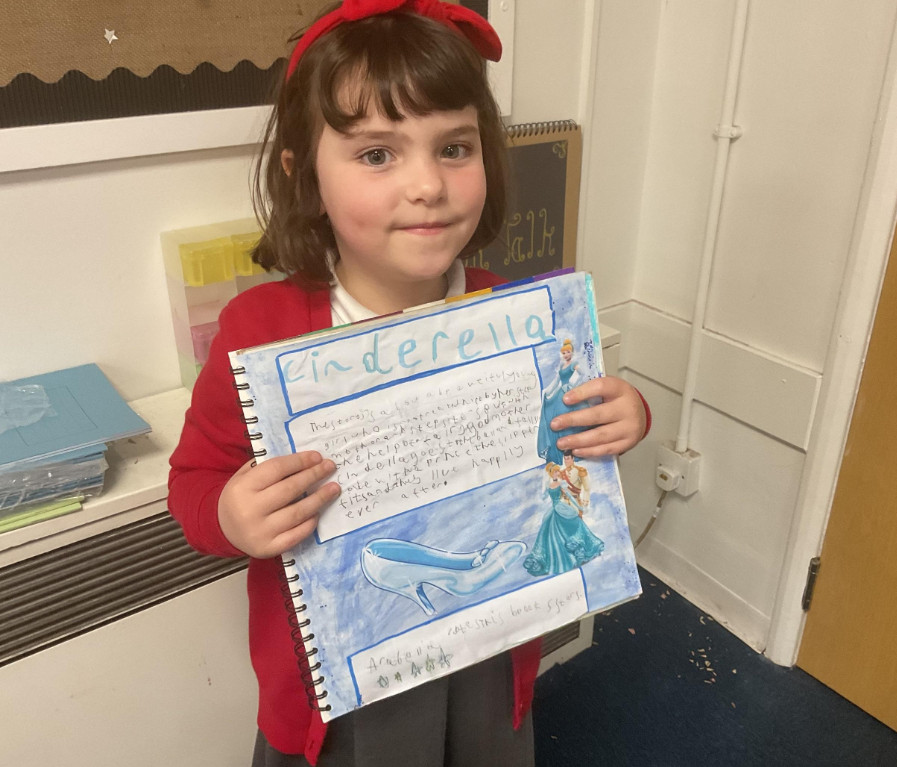
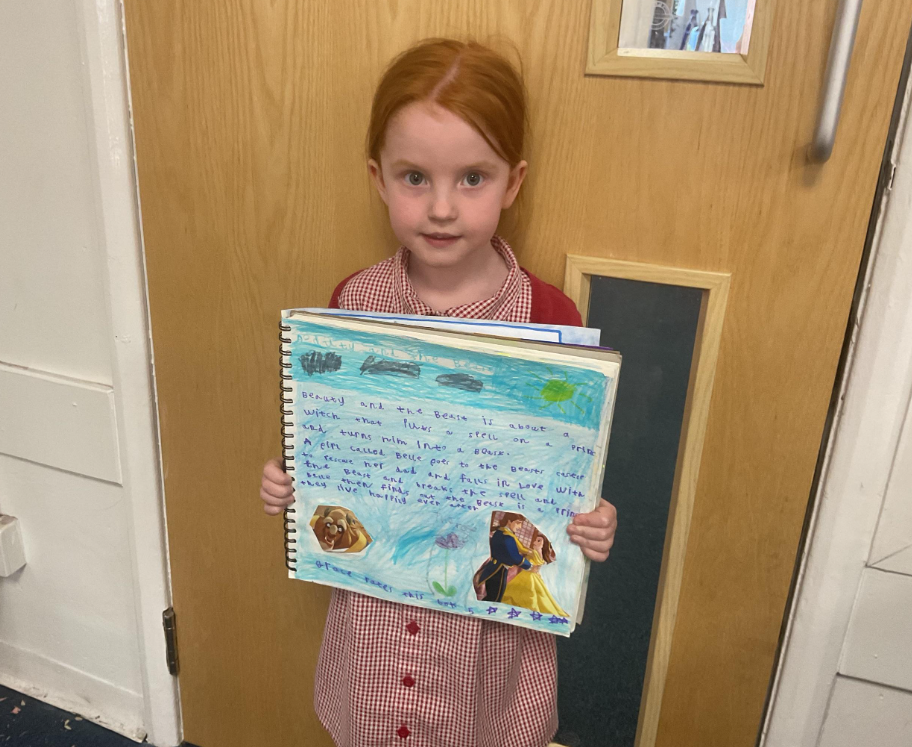
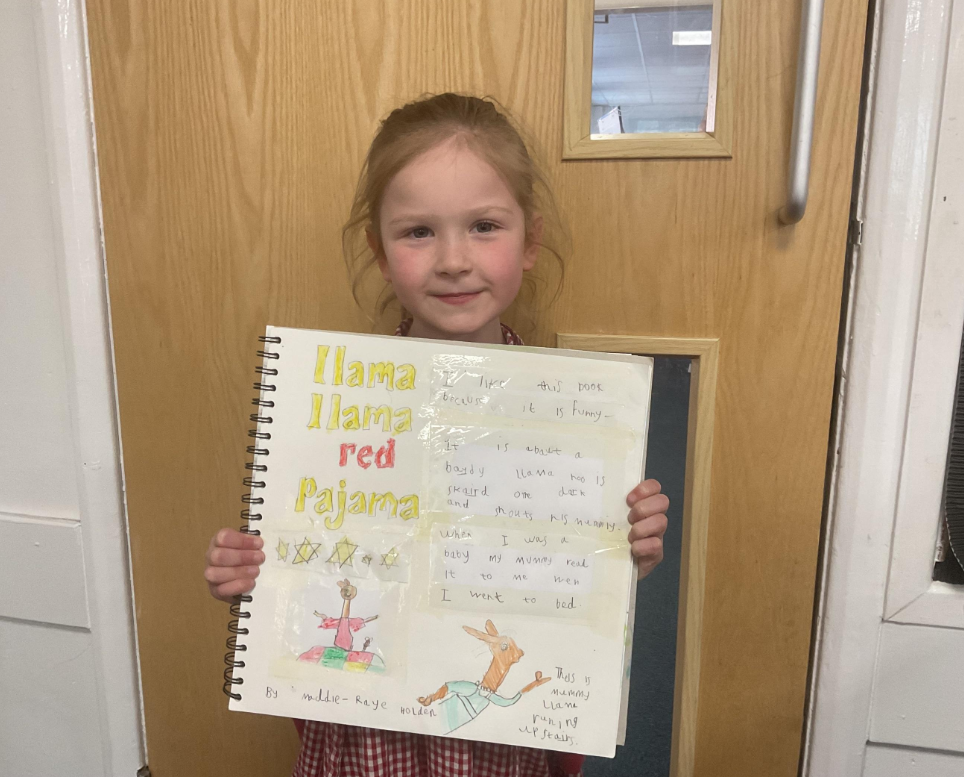
Our class reading scrapbooks offer children the opportunity to review and recommend some of their favourite books to their classmates. Many children choose to use drawings, colour and art to accompany their reviews, really immersing us into their favourite story worlds. It is a fantastic way of combining reading and the creativity that books often evoke.
Thursday Reading Assembly
Thursday morning is Miss Milnes' favourite time of the week: it is a chance for the whole school to gather in the hall and listen to our weekly story. These can range from picture books to isolated chapters from longer texts. Our chosen book always aims to make its way to our corridor display, but rarely makes it past a sea of eager hands, desperate to borrow it first!


Library Visits
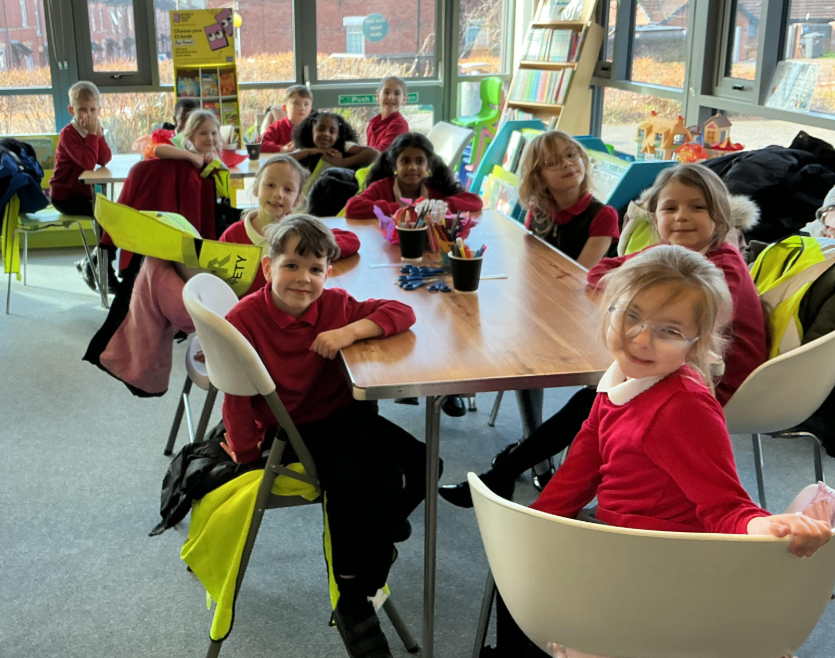
Throughout the year, each class has been lucky enough to enjoy a number of amazing visits to Rawmarsh Library. The team have led some wonderful workshops based around some of our history and geography units, as well as the books we have been studying. We absolutely love visiting, and can't wait to continue this throughout the next academic year.
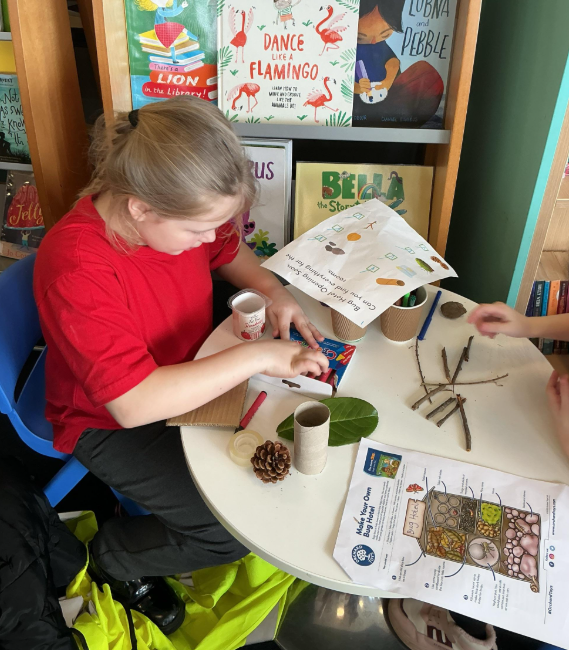
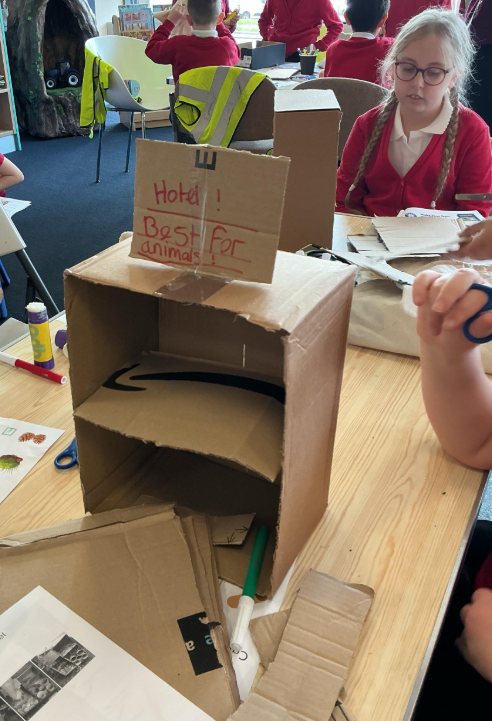
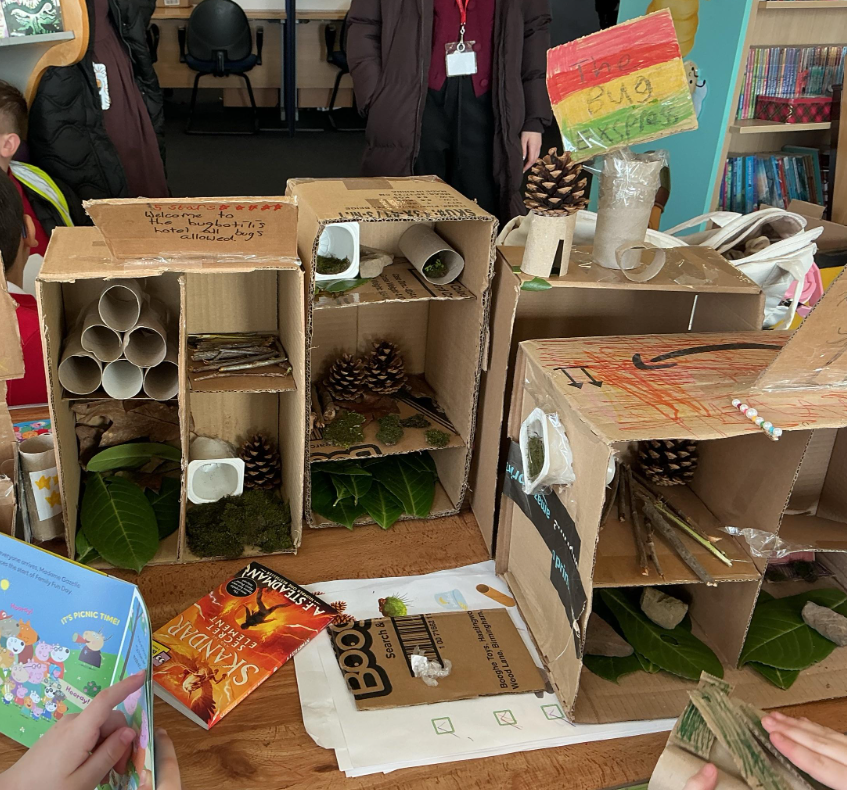
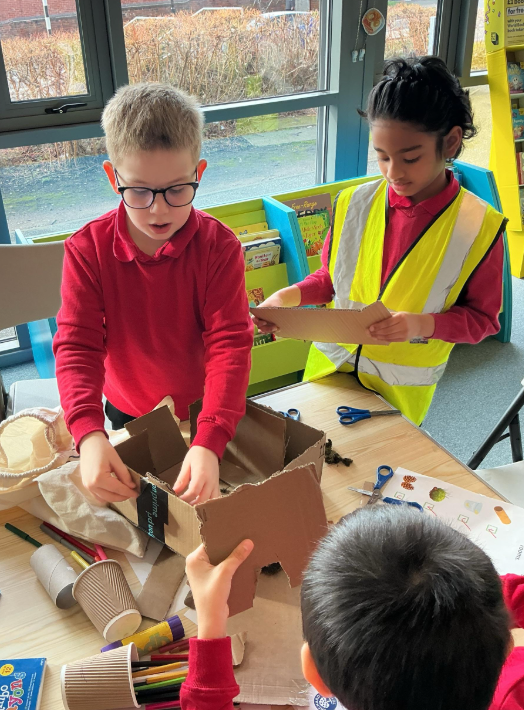
Year 4 Bug Hotels
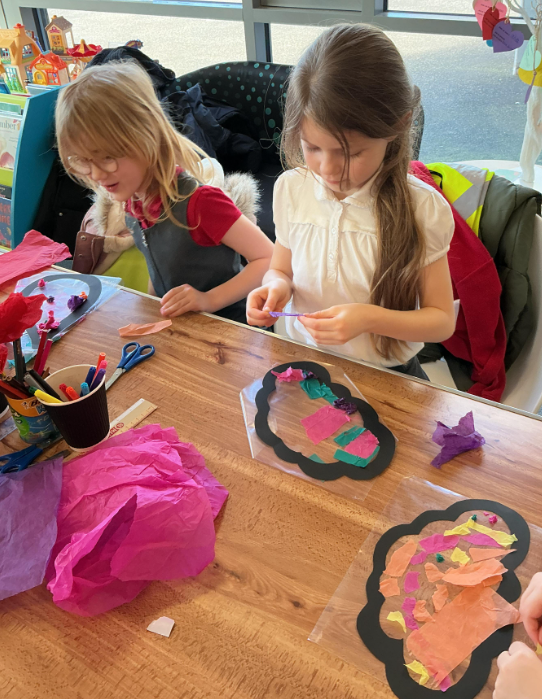
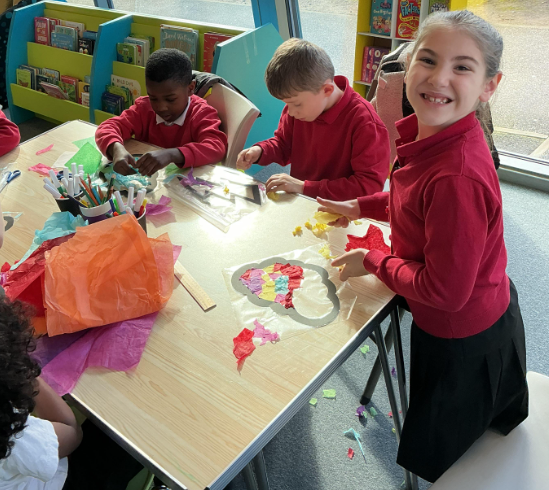
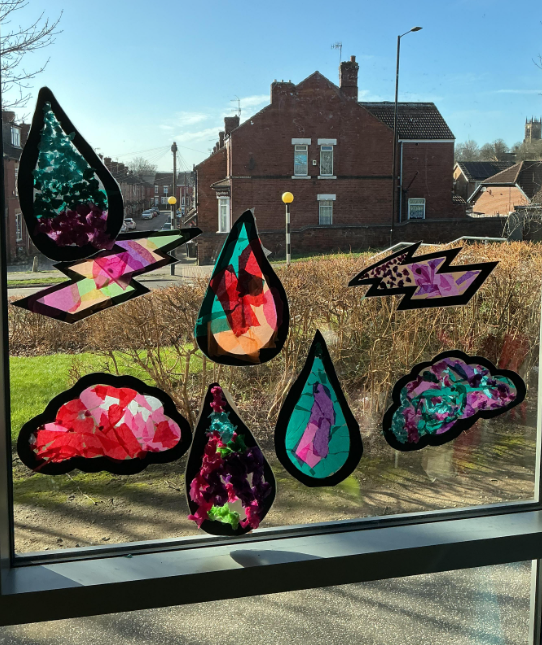
Year 2 Water Cycle Stain Glass Windows
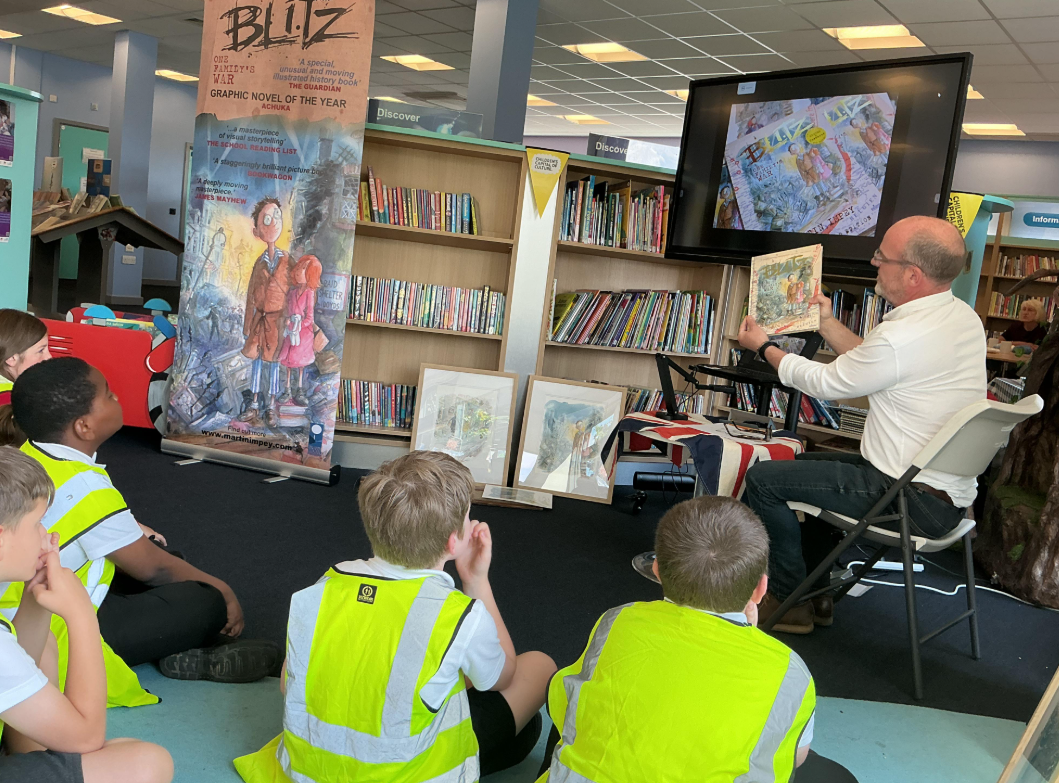
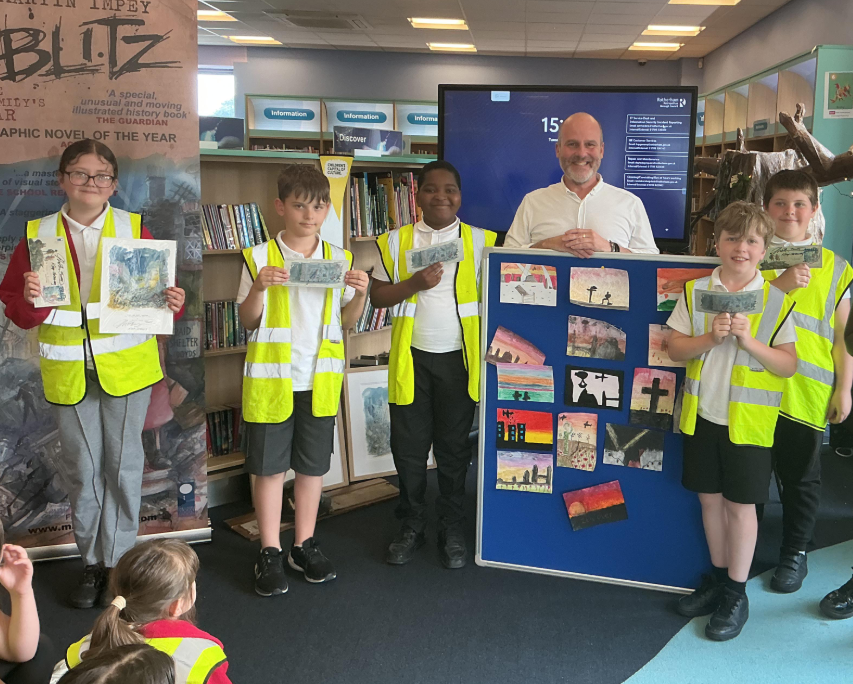
Martin Impey Author Visit
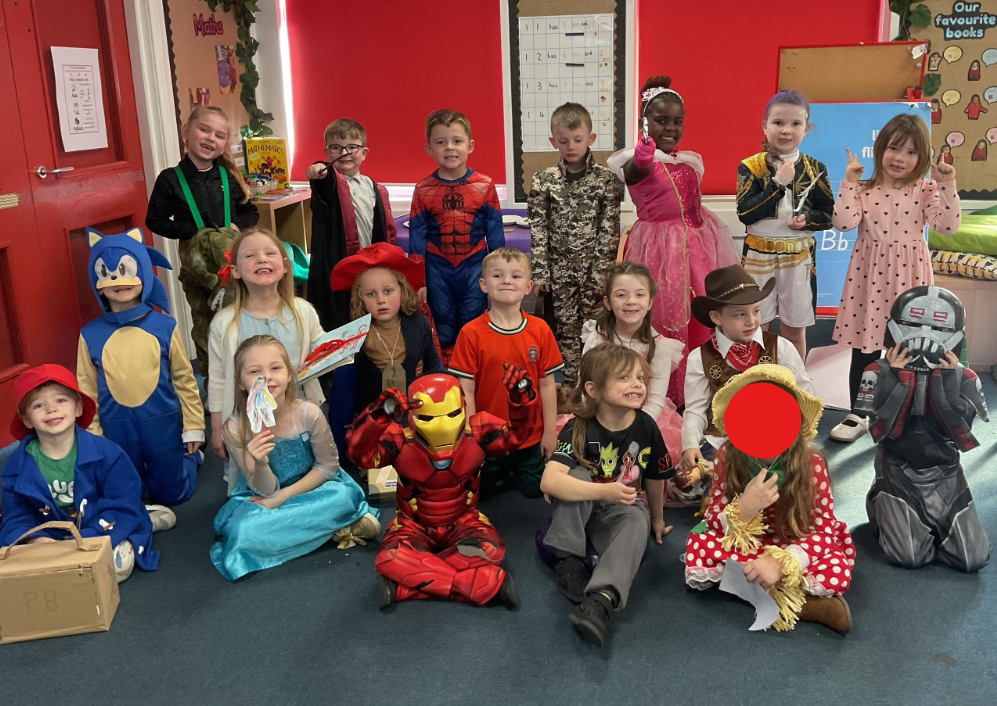
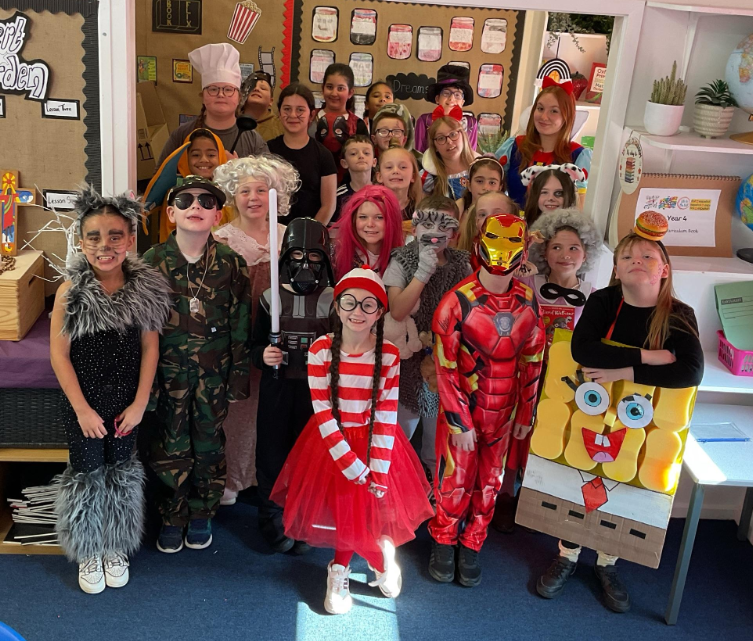
World Book Day 2026
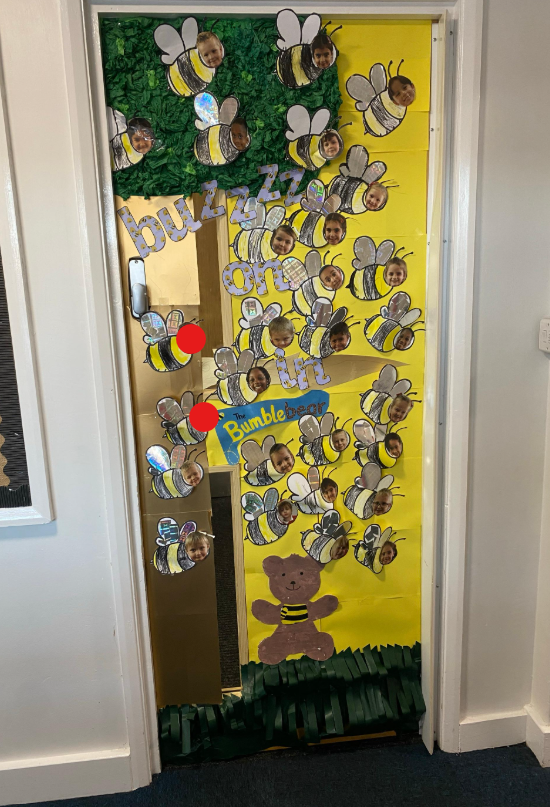
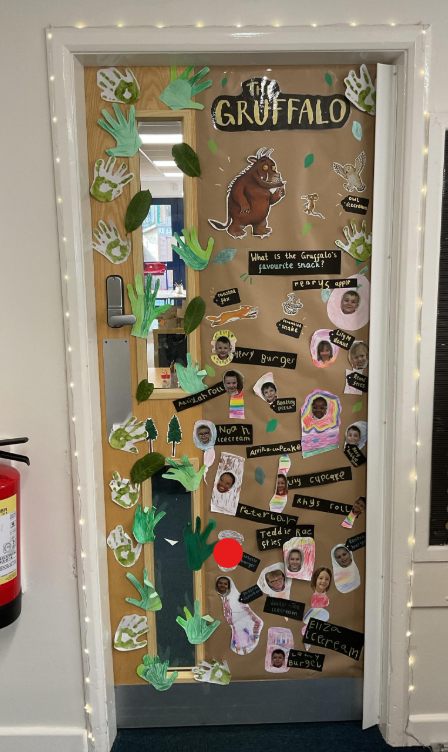
As usual, St Joseph's celebrated World Book Day in style. In the preceding week, we began by decorating our classroom door as a book of our choice. Can you guess which KS1 and which KS2 class won our school competition?
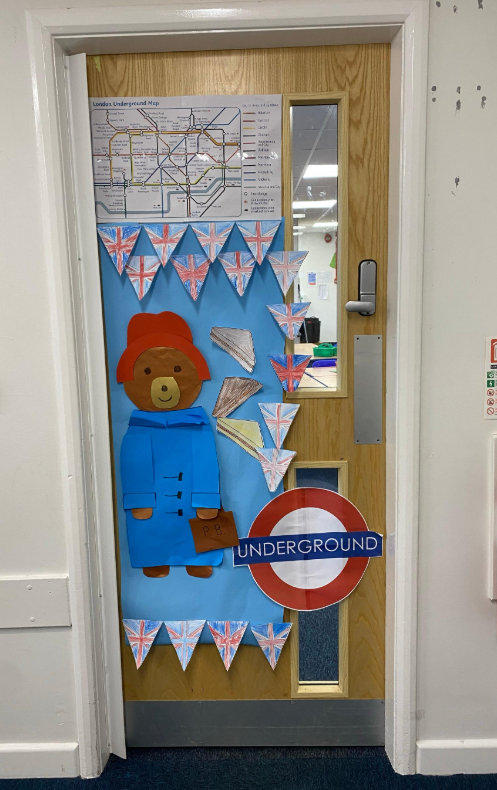
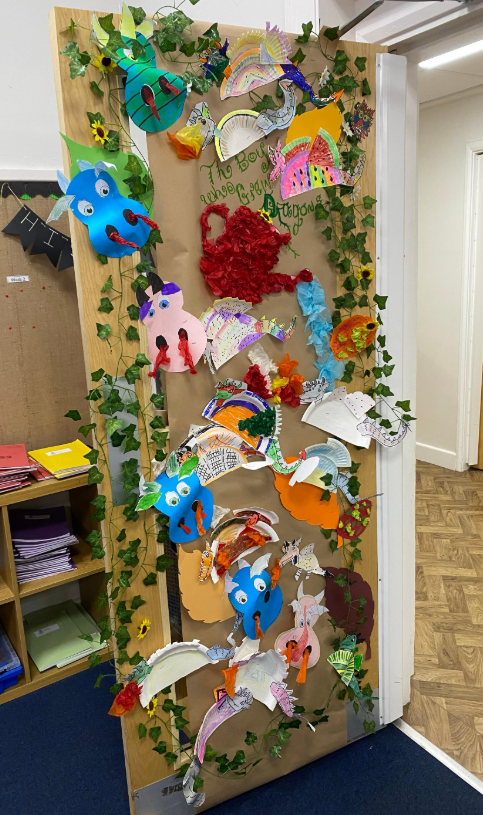
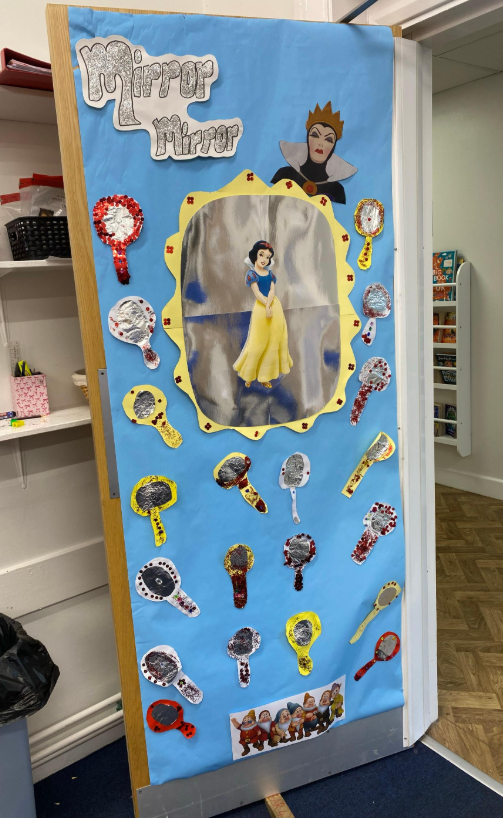
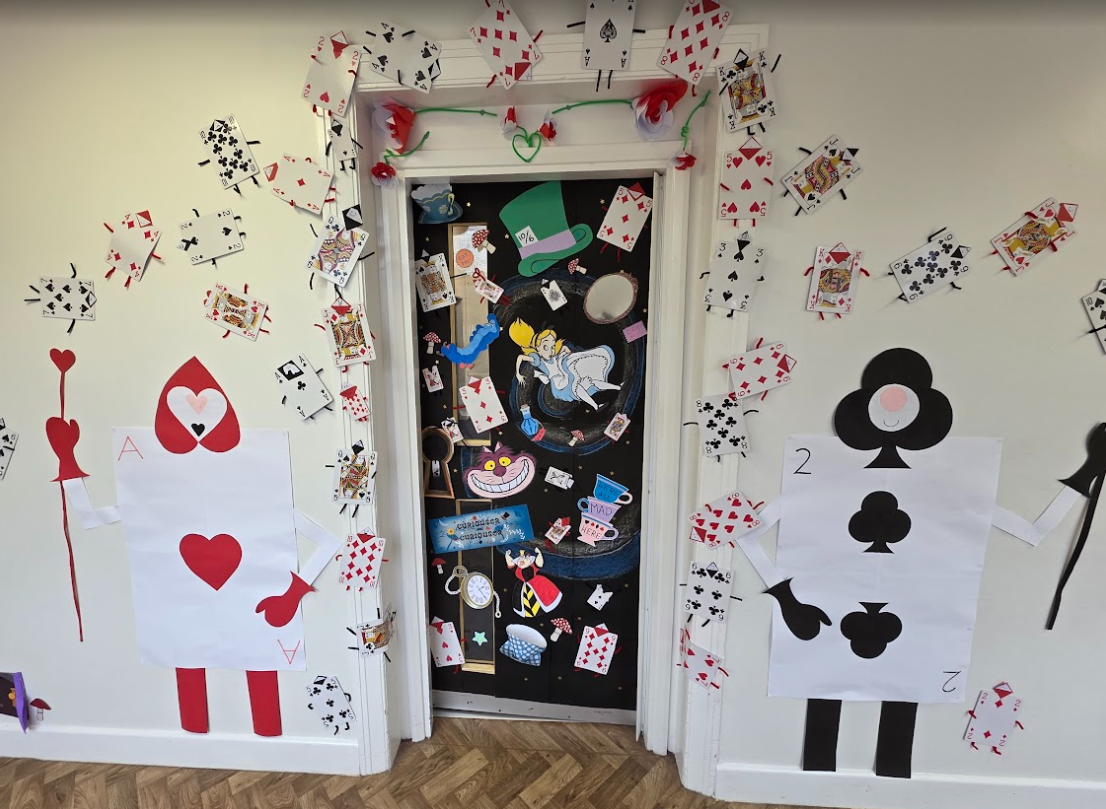
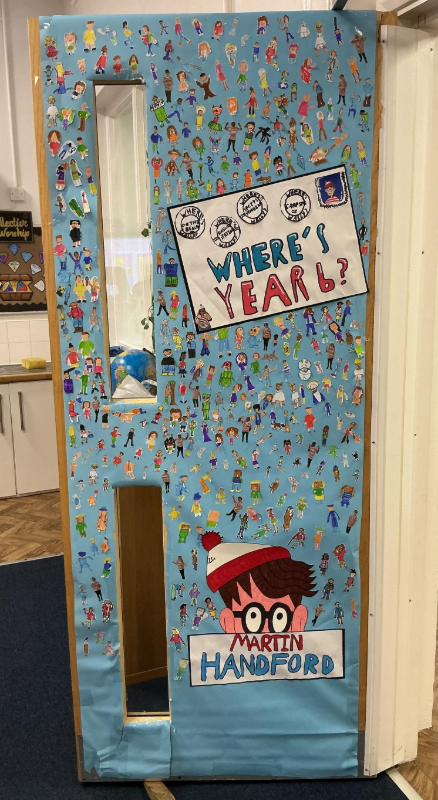
We started the day with our whole-school parade, awarding book-based prizes for some of the best costumes, including recognition for our most unique and best homemade outfits.
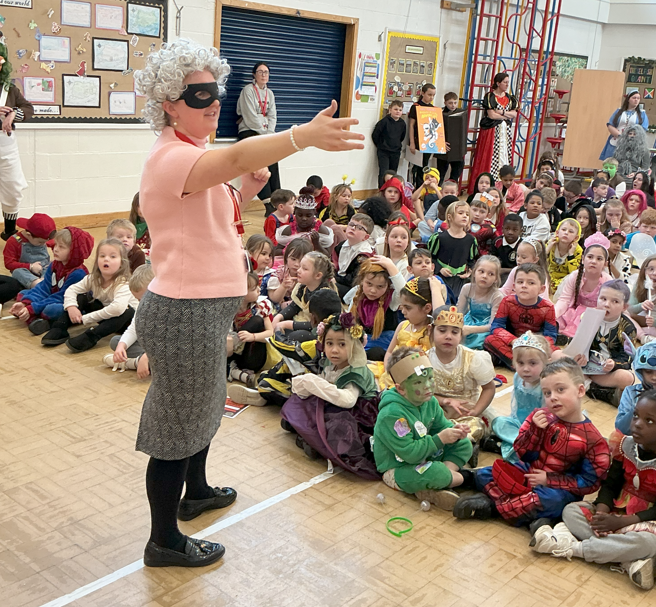
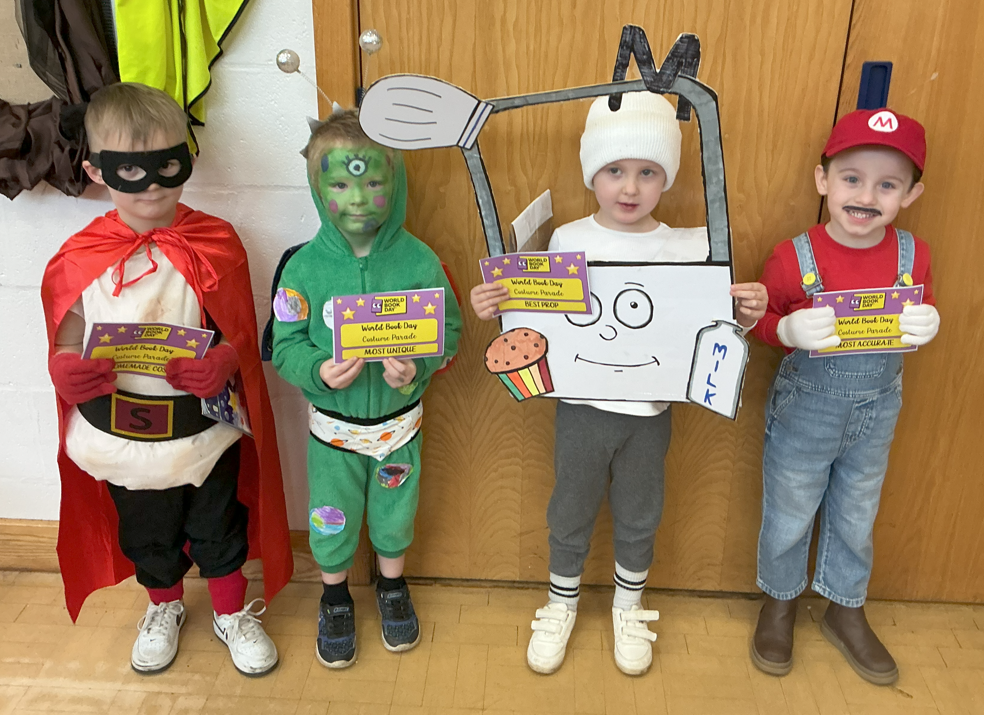
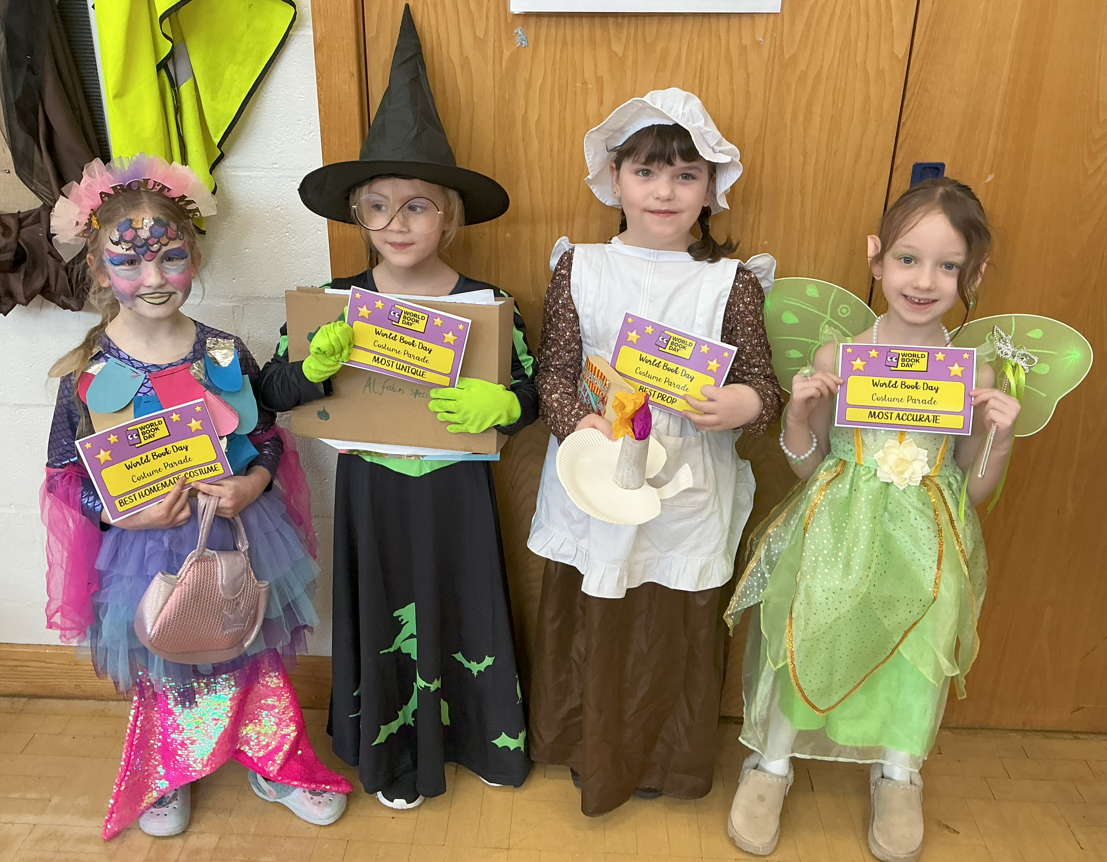
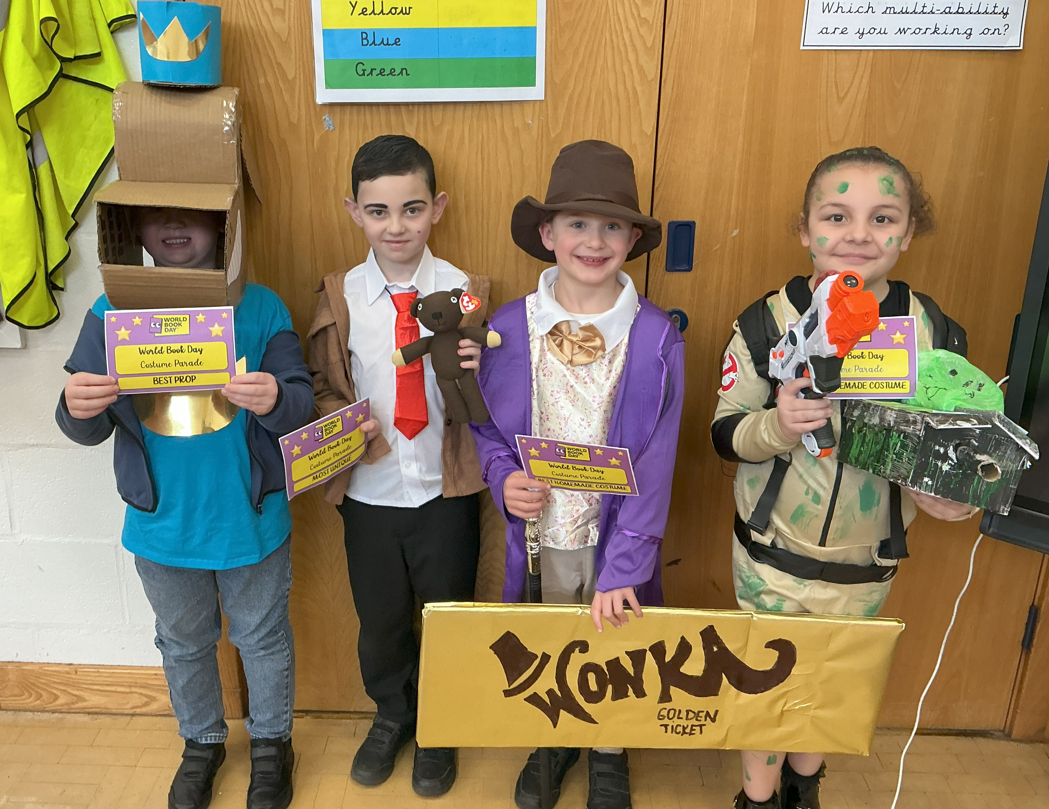
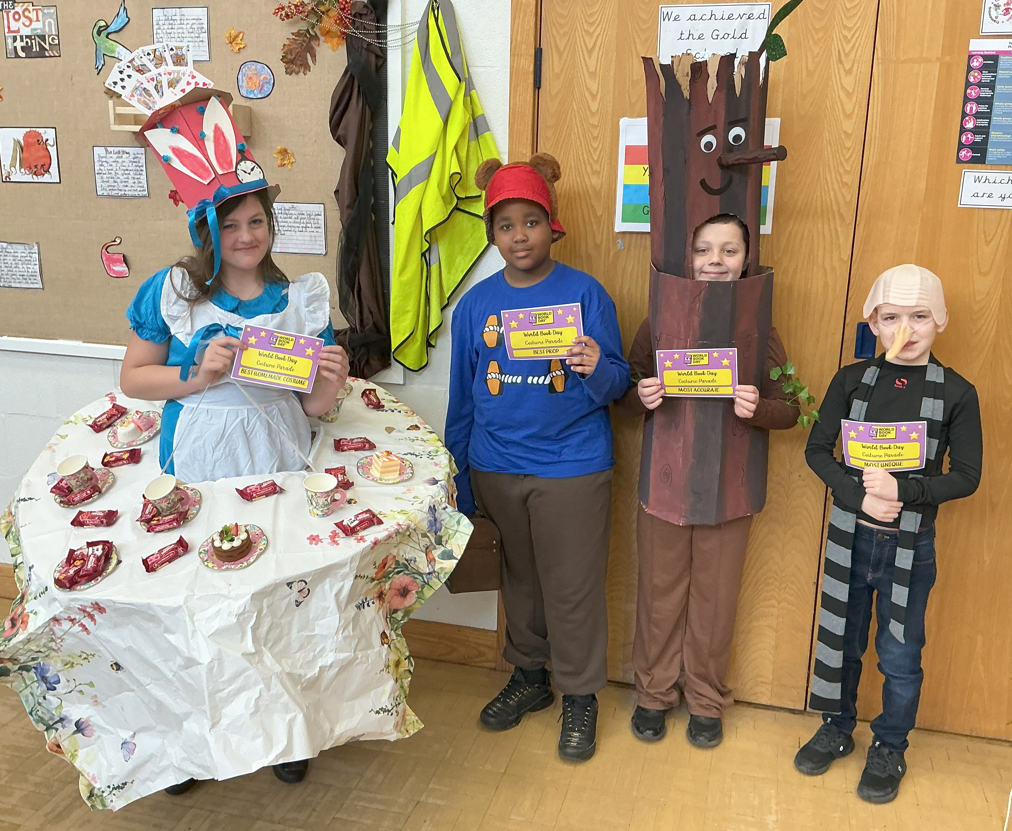
We then took part in a series of workshops throughout the morning, where each classroom offered a special book-based craft or activity, ranging from Alice in Wonderland cupcakes to Gruffalo headbands!
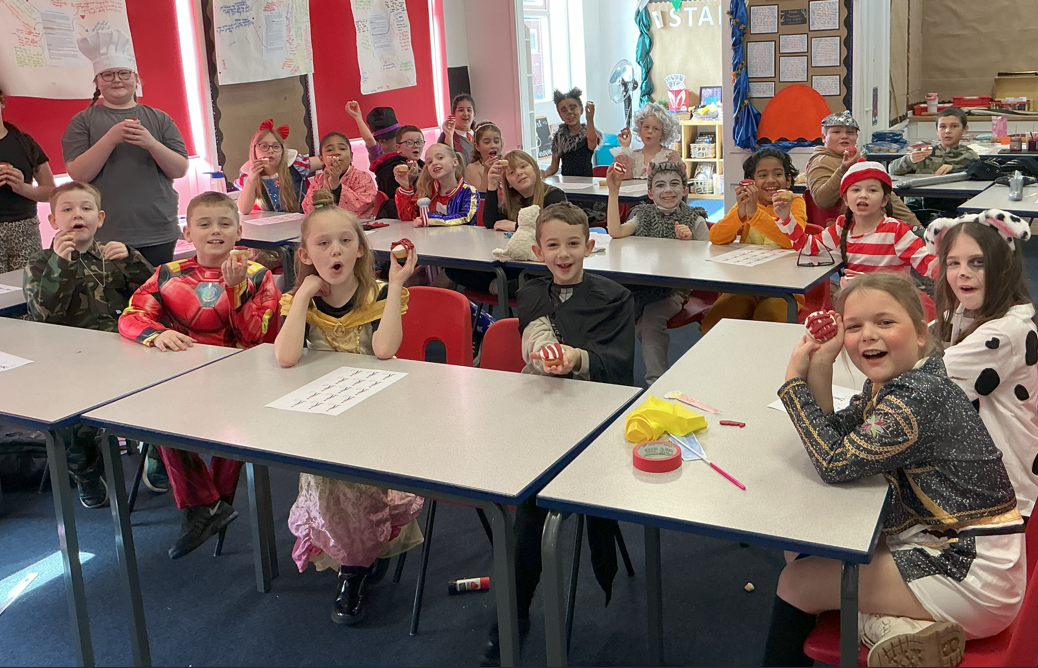
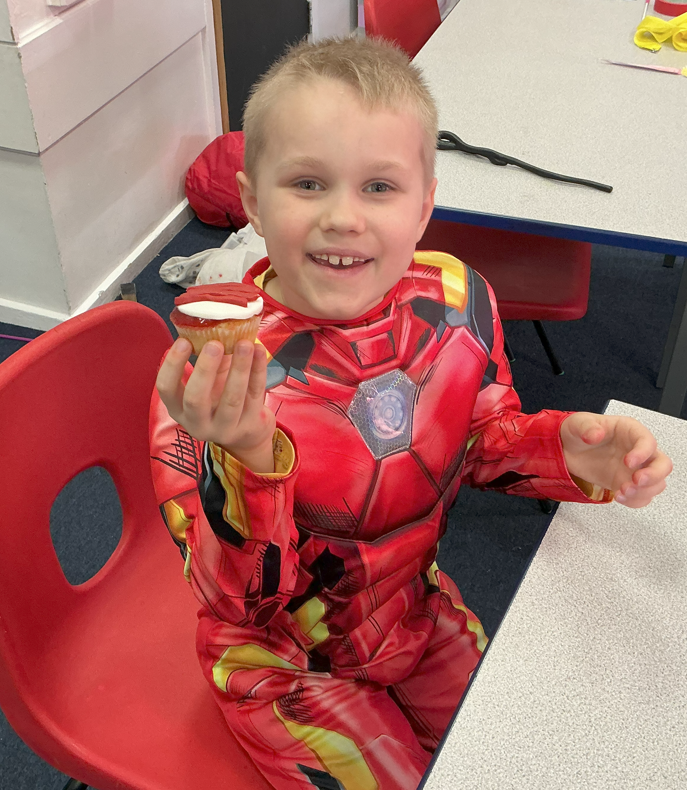
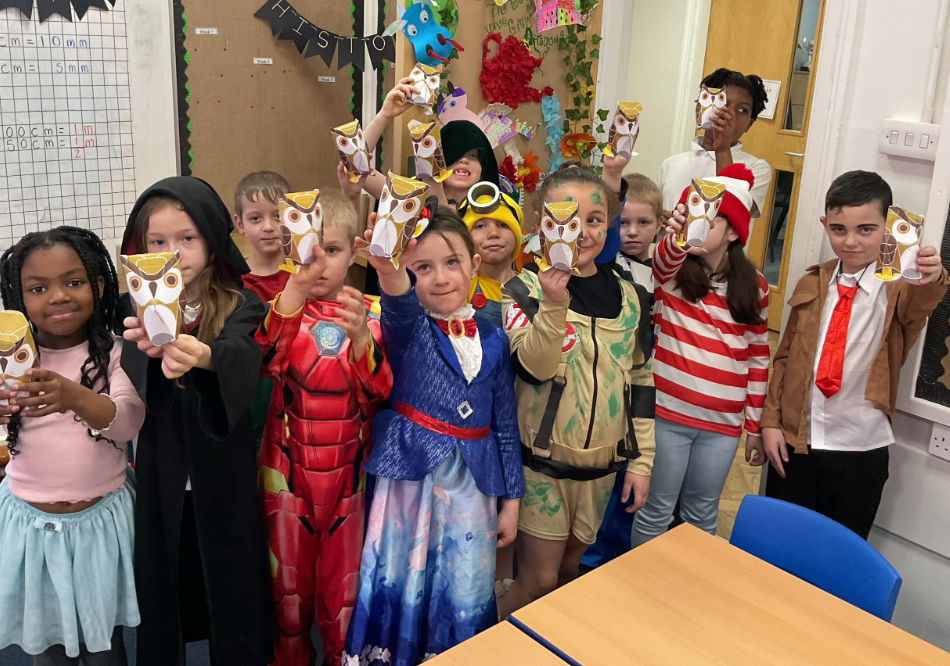
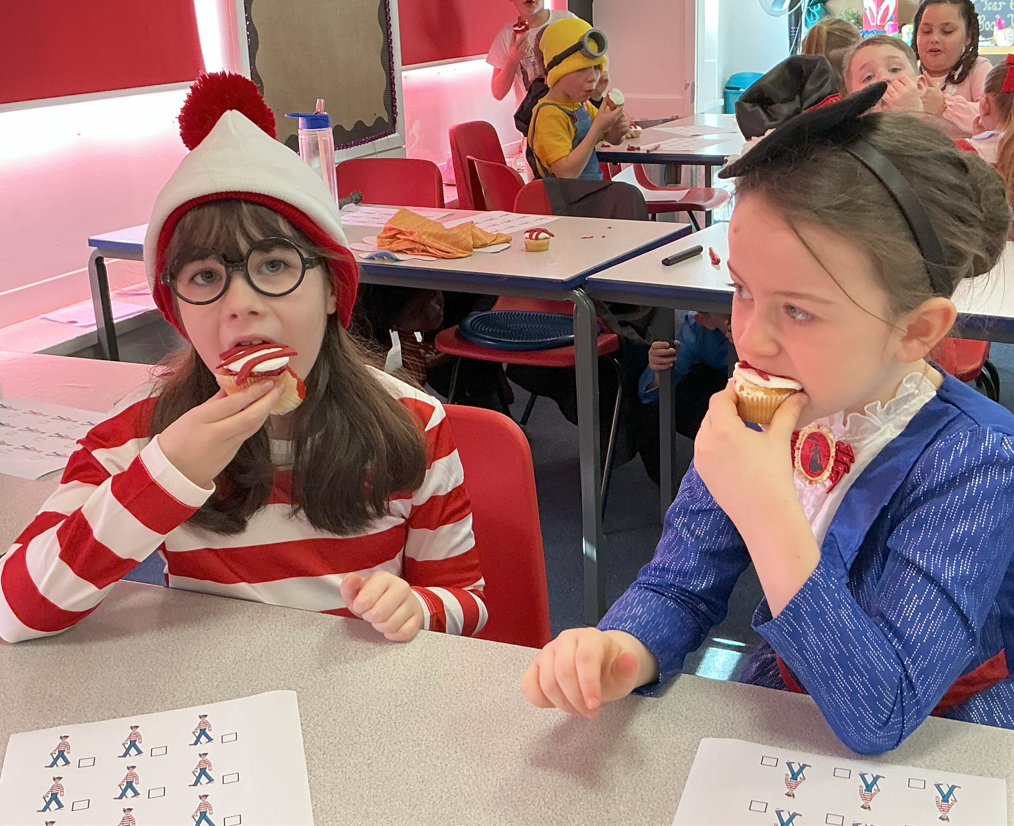
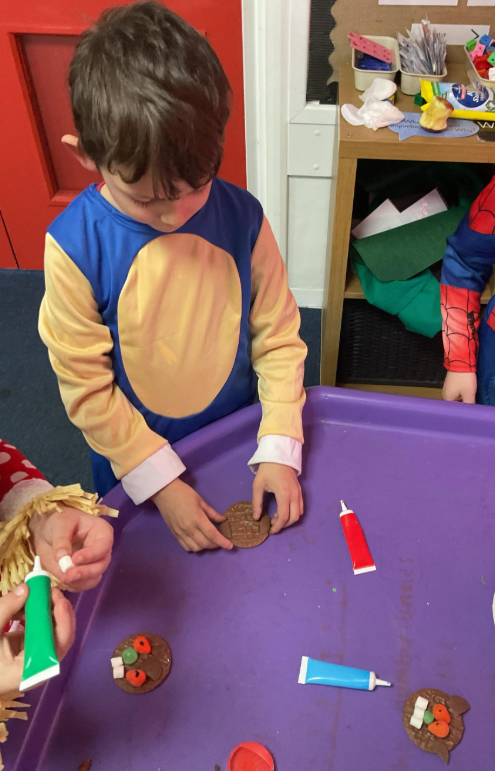
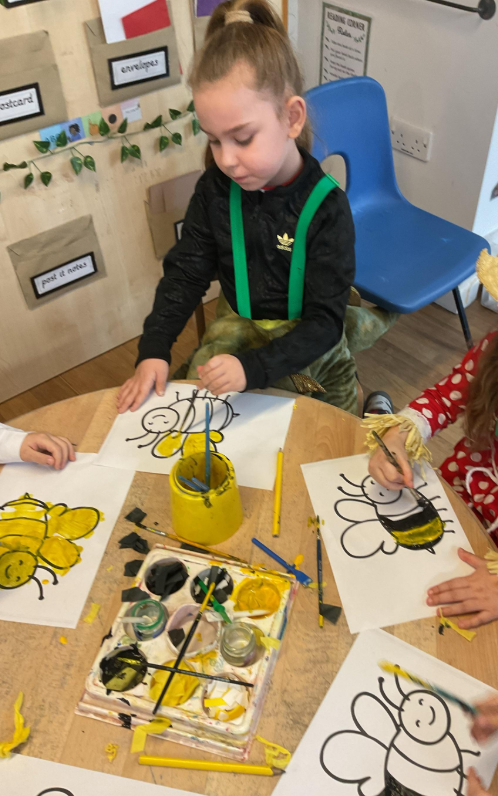
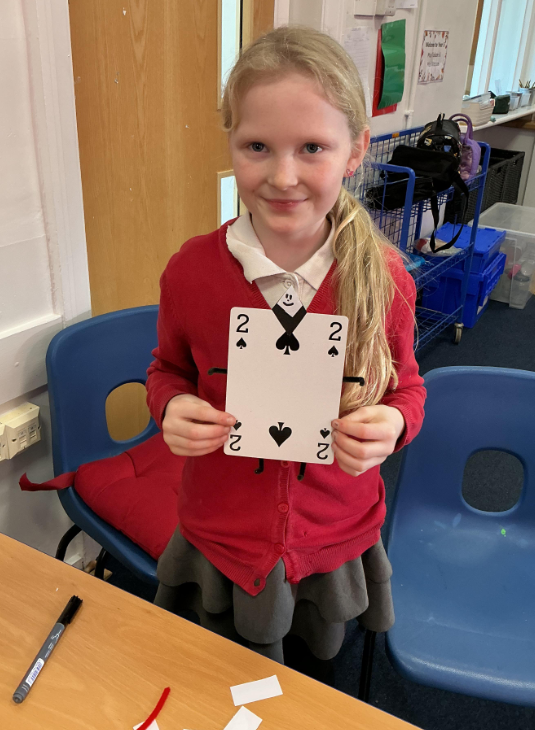
We then added a special 'Traitors' twist to our 2026 celebrations, with three children per class completing four secret book-based missions. Their aim was to complete their missions without being detected, and by avoiding the three 'banishments' dotted throughout the day. Any successful traitors were awarded with a book prize and a special certificate.
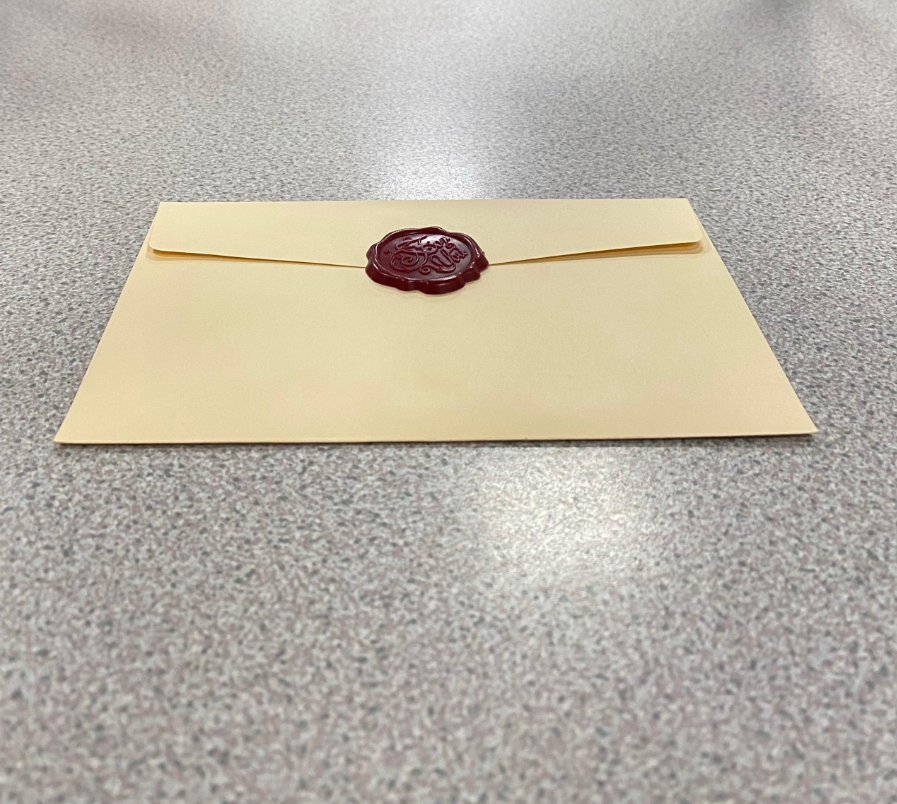
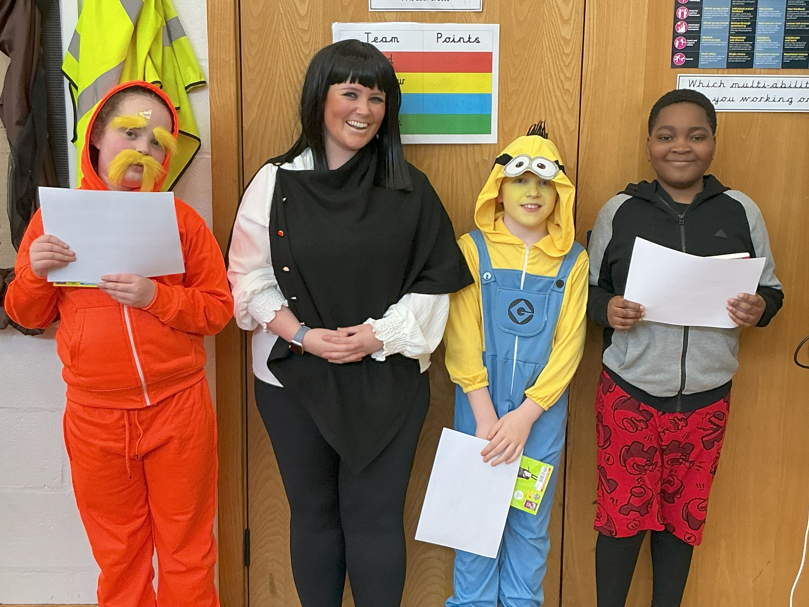
As usual, we had the best fun on the best day of the year!
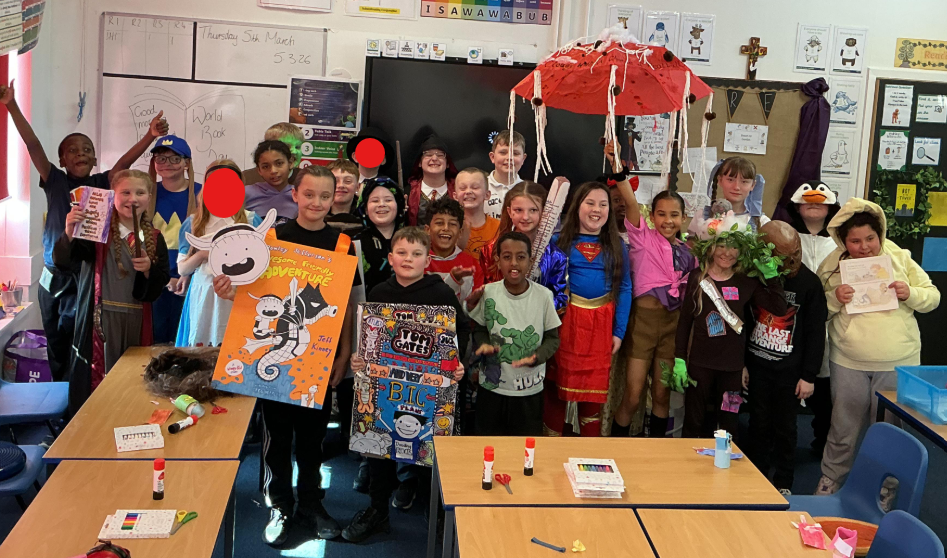
Story in a Jar Competition
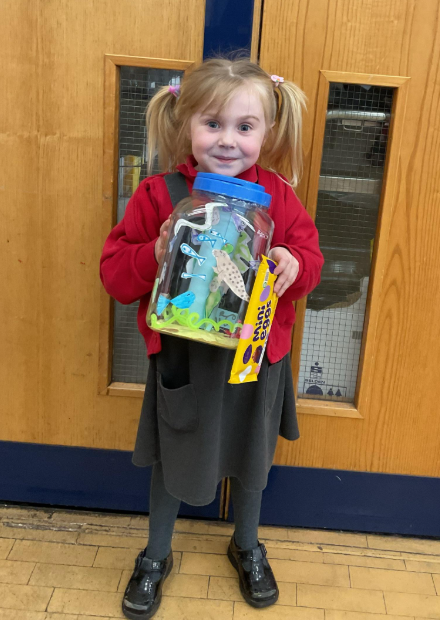
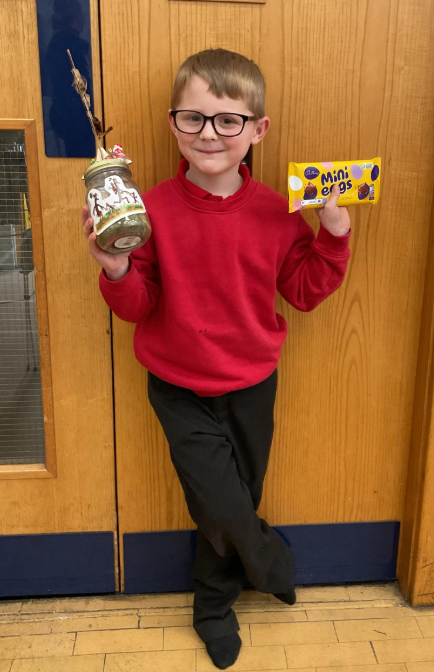
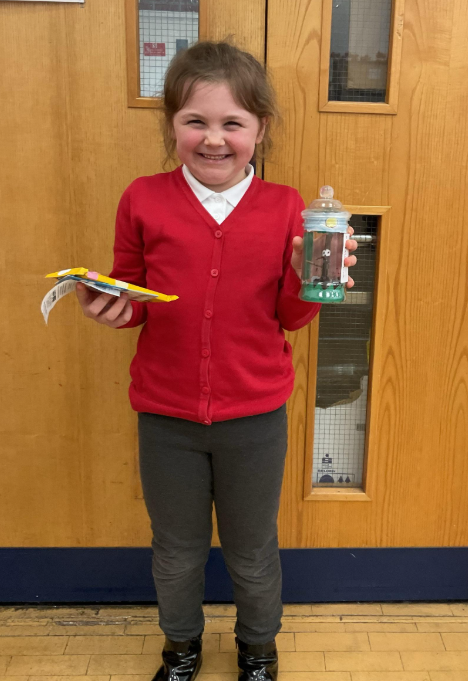
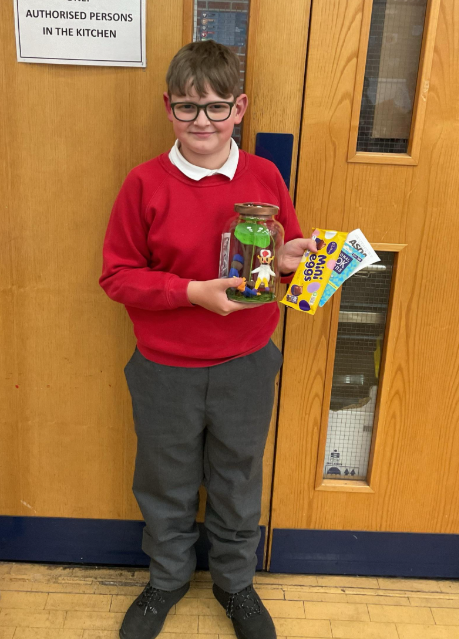
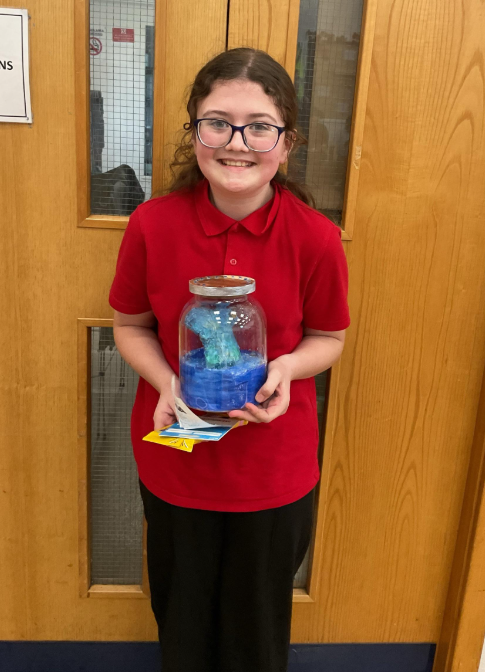
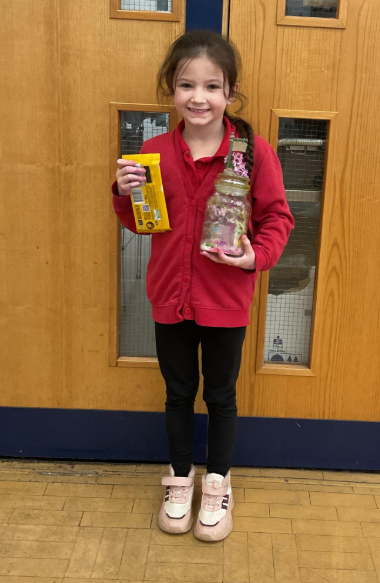
To finish our World Book Day celebrations, the children were also invited to participate in our 'Story in a Jar' competition, where they recreated magical storybook worlds inside a jar or container. We had some fantastic creations, all based around a variety of books, and we were so proud of the time and effort that our children and families put into bringing their favourite stories to life.