Science
SIntent
At St Joseph’s, we intend for our children to be confident and skilled scientists who will take part in stimulating lessons where they develop an in-depth understanding of the world around them and an understanding of how major scientific ideas have played a role in society, to prepare them for life in an increasingly scientific and technological world.
Implementation
This year the science curriculum will be based around the Grammarsaurus Curriculum. This is a creative curriculum, which is a nationally recognised approach for delivering outstanding learning opportunities for children. The Grammarsaurus Curriculum will offer a creative and thematic approach to learning that is mapped to the Primary National Curriculum to ensure comprehensive coverage of national expectations. Our new science curriculum will provide a rich menu of exciting, motivating and challenging learning activities that will make creative links between all aspects of our children’s scientific learning.
We will deliver a science curriculum that:
-
Includes working scientifically, so that children have opportunities to develop practical enquiry skills to engage with the world in a scientific way and make sense of what they are learning about
-
Provides a range of hands-on experiences to promote engagement and presents opportunities for the discussion and questioning which develop understanding
-
Provides opportunities for different types of enquiry, such as observing over time, noticing patterns, grouping and classifying, comparative and fair tests, using secondary sources
-
Builds upon prior knowledge and a progression of skills to ensure all children have a secure understanding and knowledge of key science concepts
Impact
The impact of our Science curriculum is that our children become resilient, independent and curious scientists who ask questions and find things out for themselves. Our children are able to communicate their ideas and findings using appropriate scientific terminology.
Year 4, 5 and 6 science workshops:
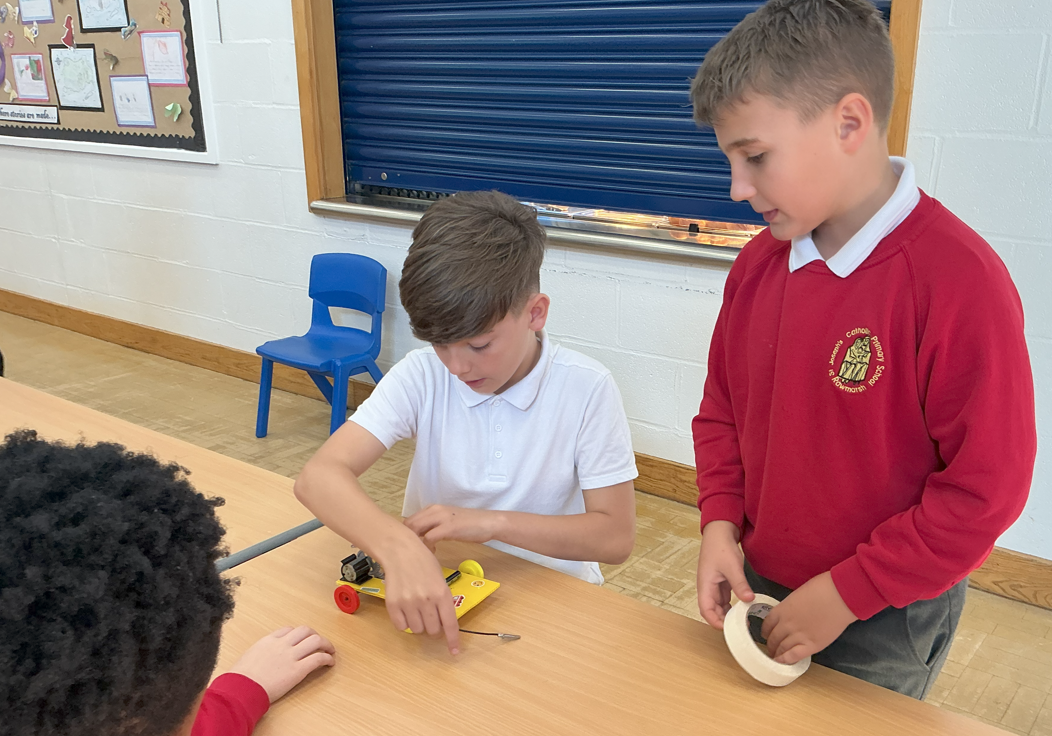
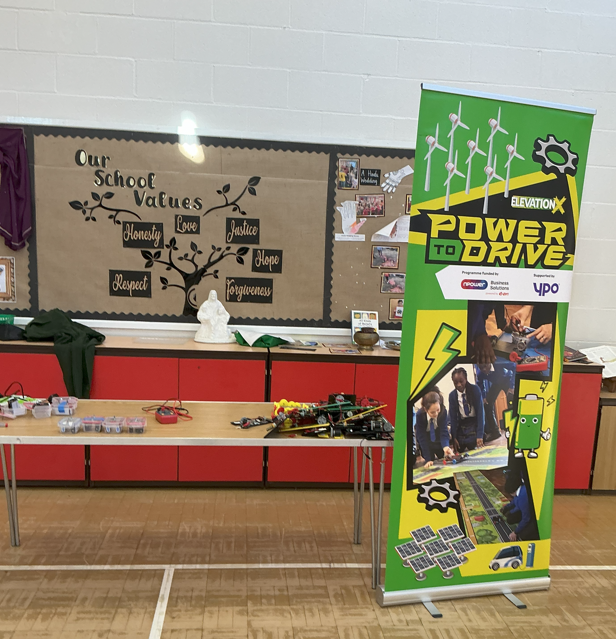
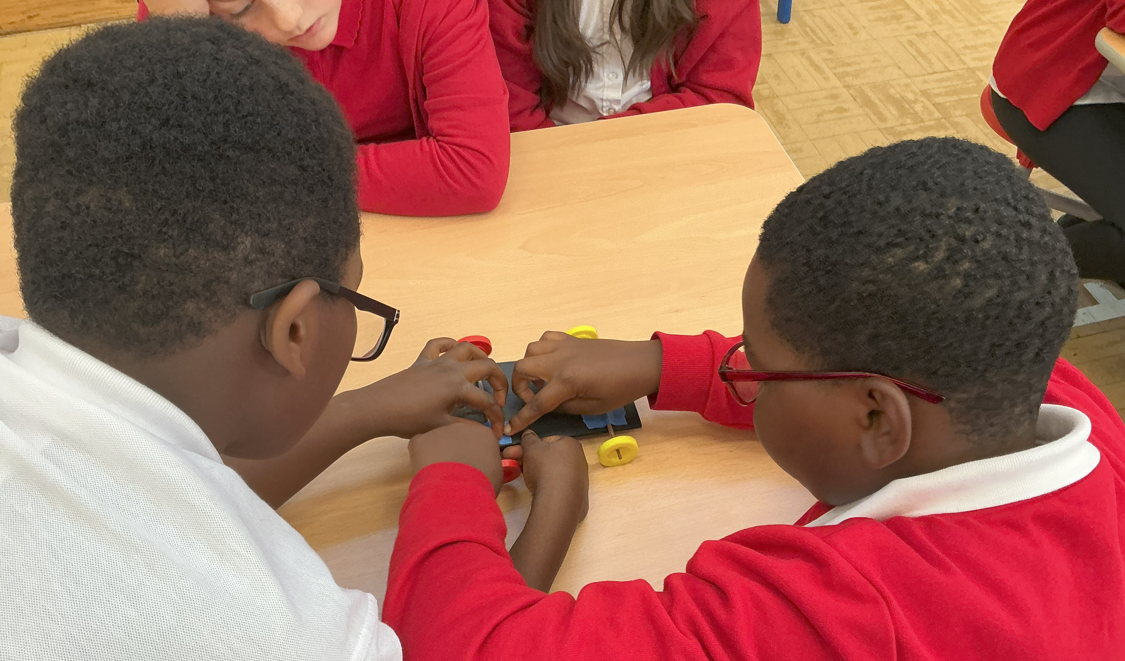
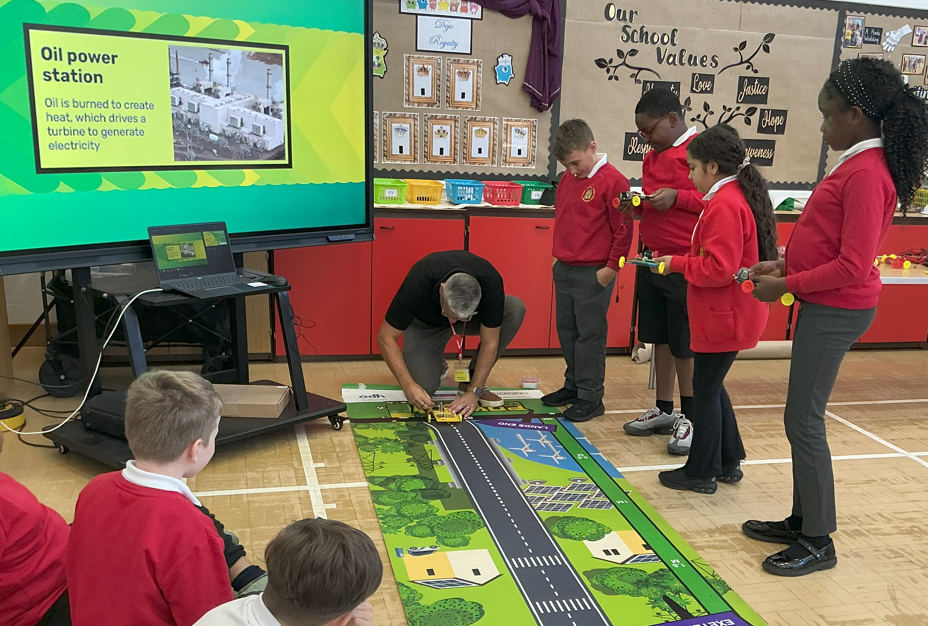
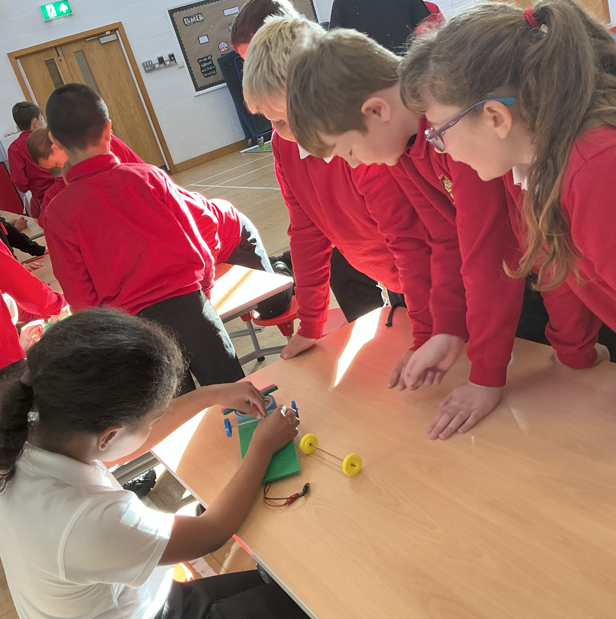
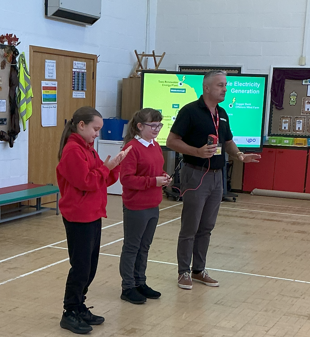
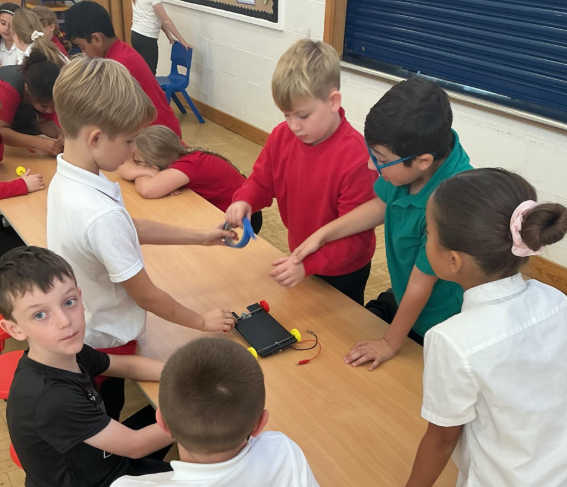
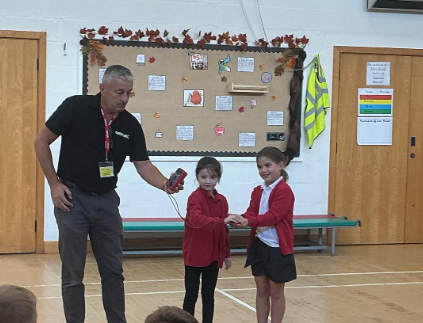
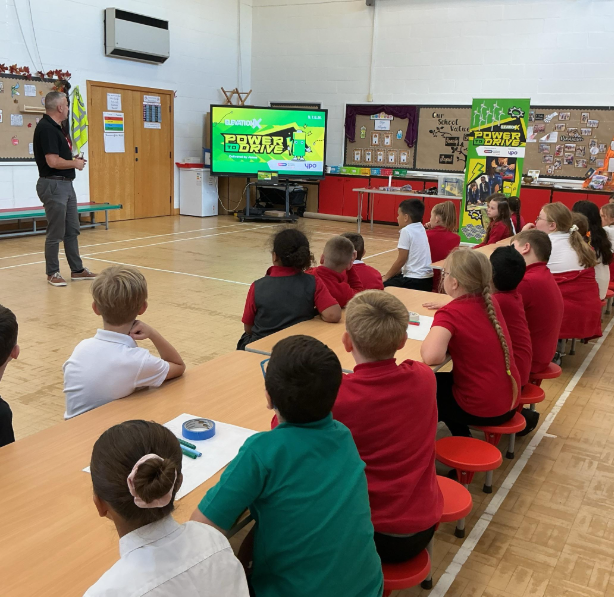
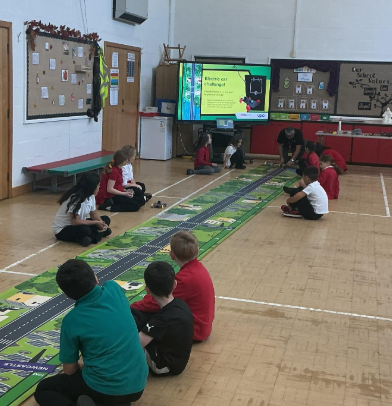
Years 4,5 and 6 took part in a brilliant science workshop led by PowertoDrive focusing on electricity and energy. They learnt about the 3 different types of energy: renewable, non-renewable and sustainable. In groups, the children built their electric cars, and they even had the chance to race them!
Science after school club
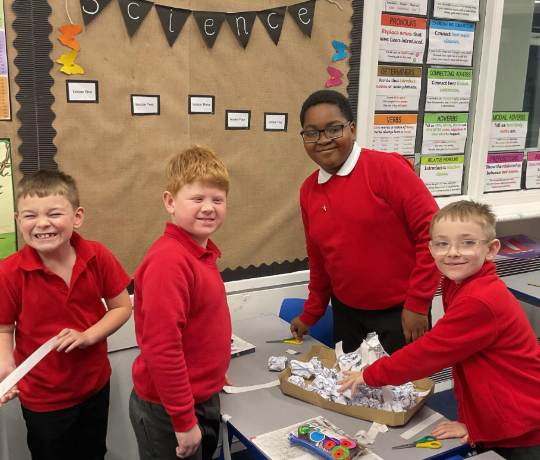
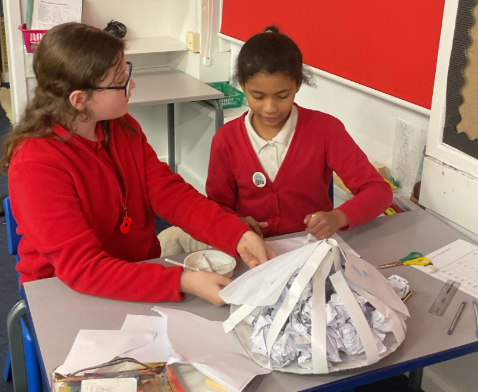
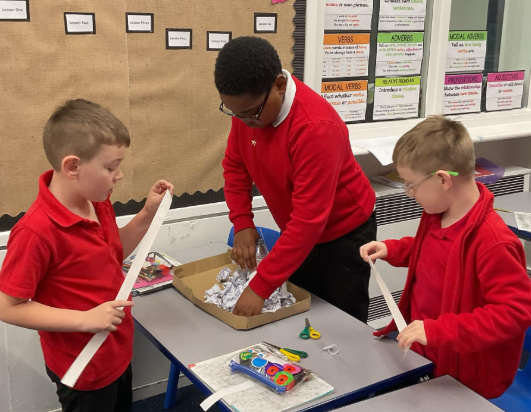
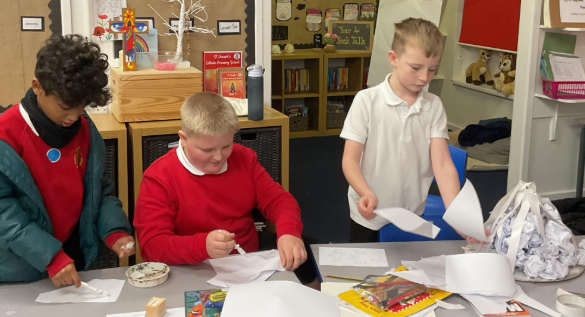
The first science club session was brilliant! We have begun creating our paper mache volcanoes ready to experiment with different (safe) chemicals to create a volcano eruption the following week!
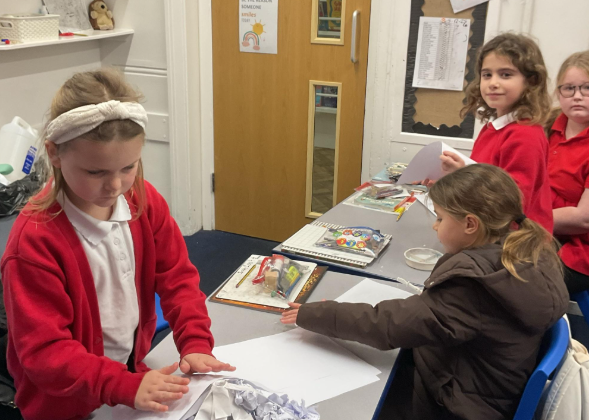
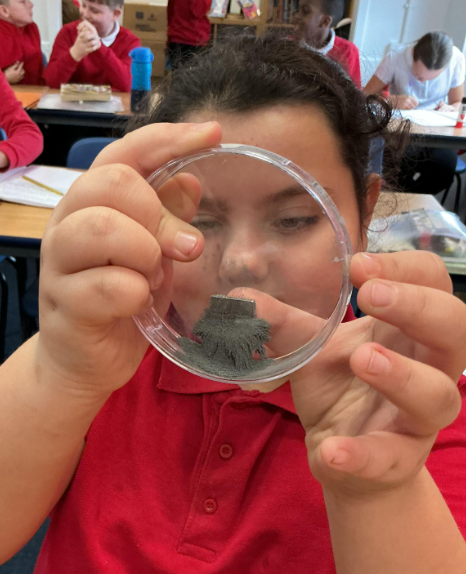
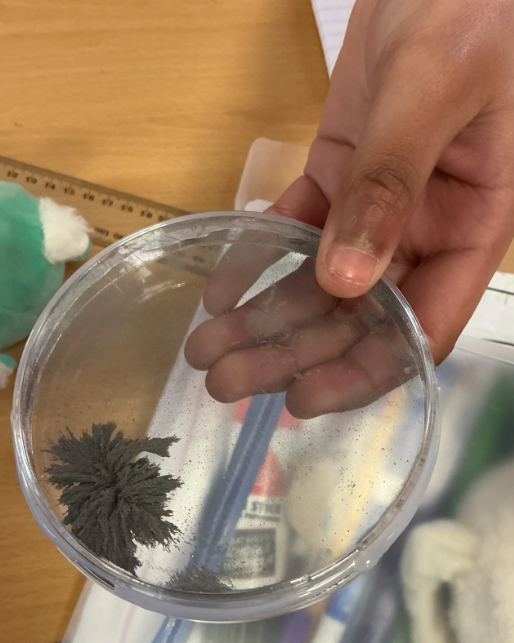
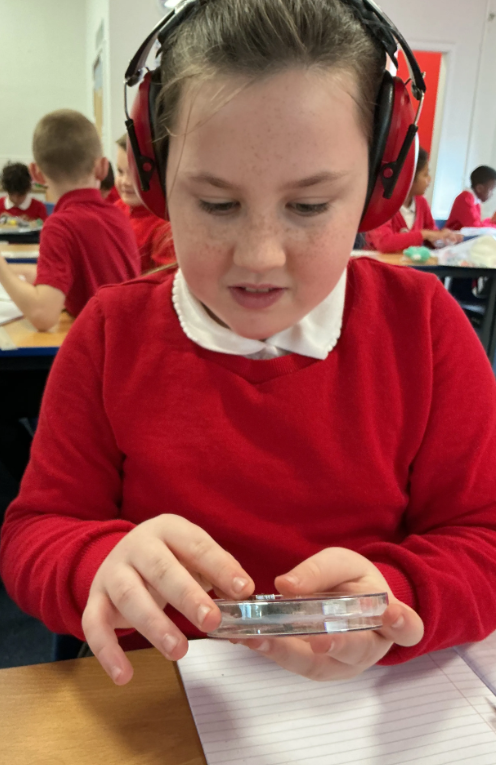
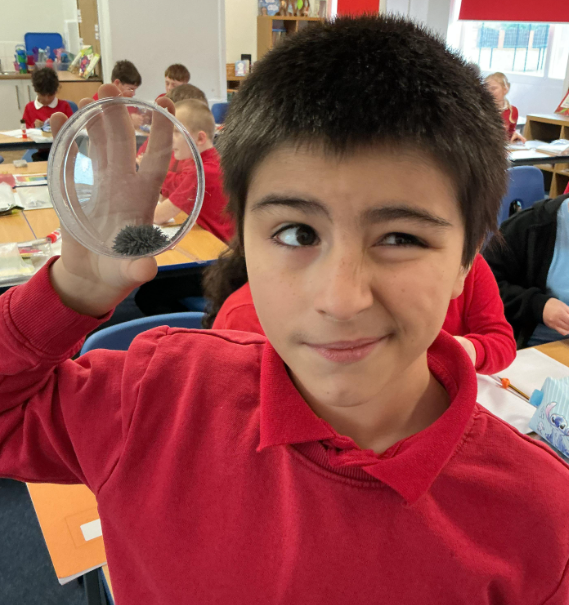
Year 5's topic of forces and magnets
Year 5 have been investigating magnets and contact and non-contact forces. They had a go at stating the iron fillings with the magnet and demonstrating forces with everyday materials.
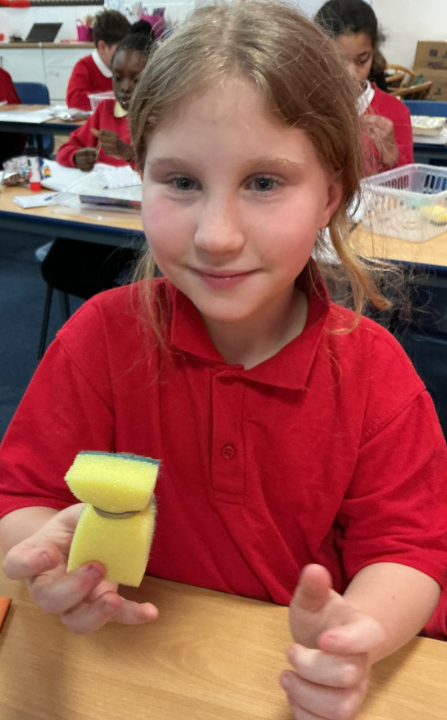
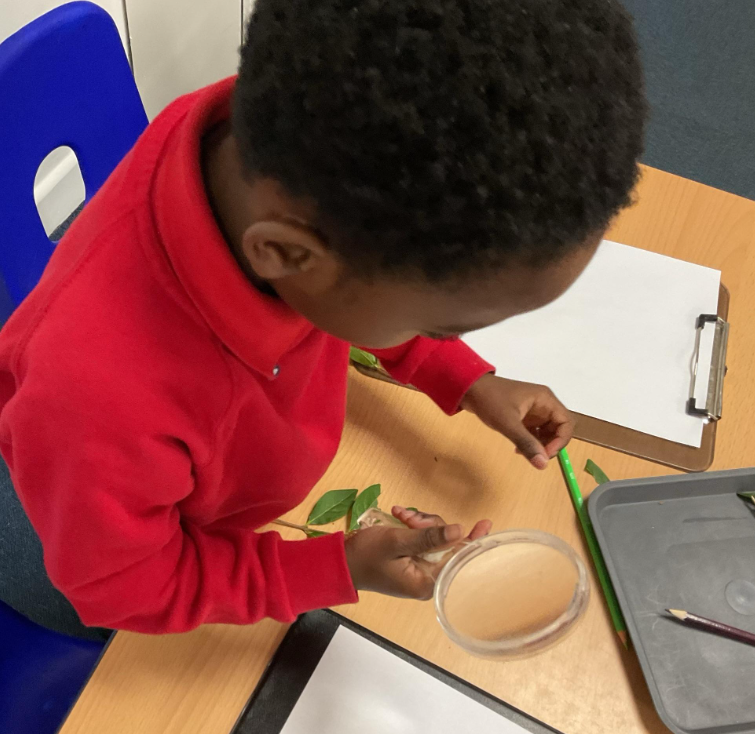
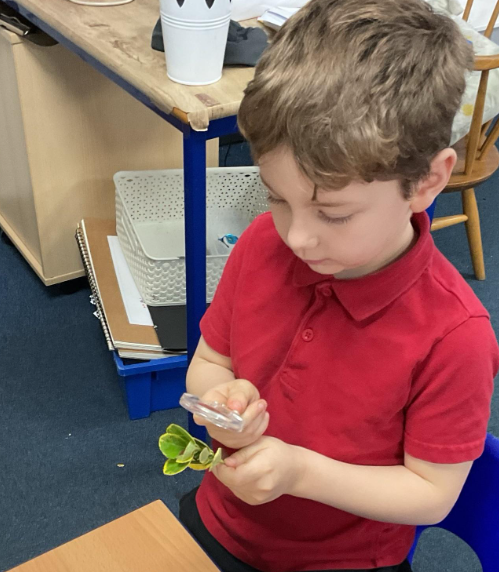
Year 1's topic of plants
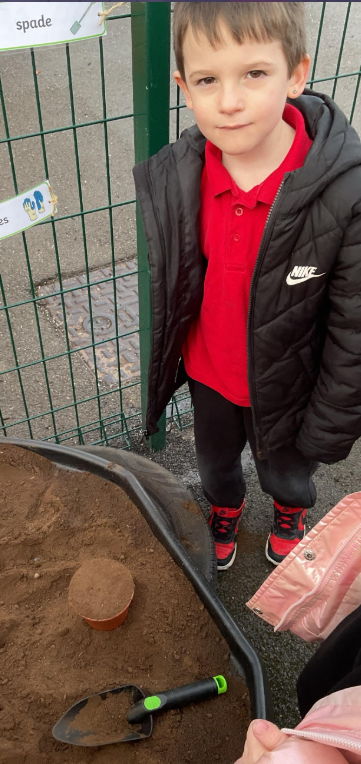
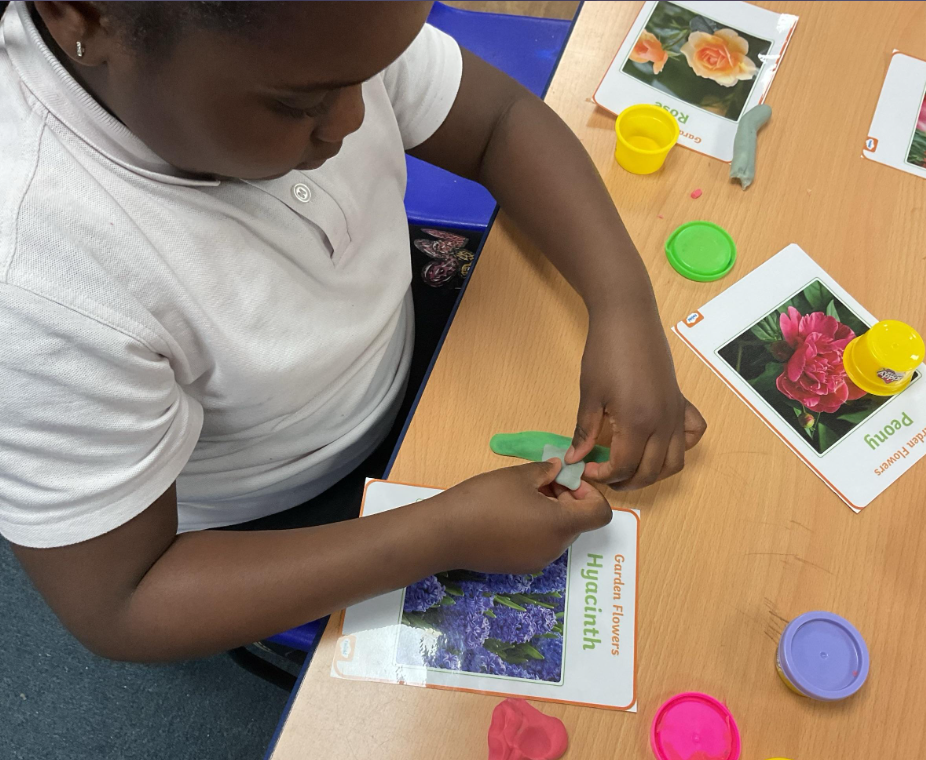
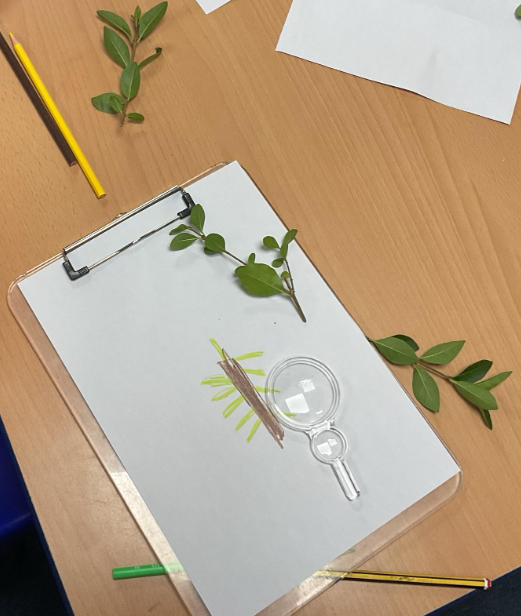
Year 1 had a very fun afternoon of plant enquiries! They have been learning all about the parts of a plant and even planted some seeds.
Recycling in FS2
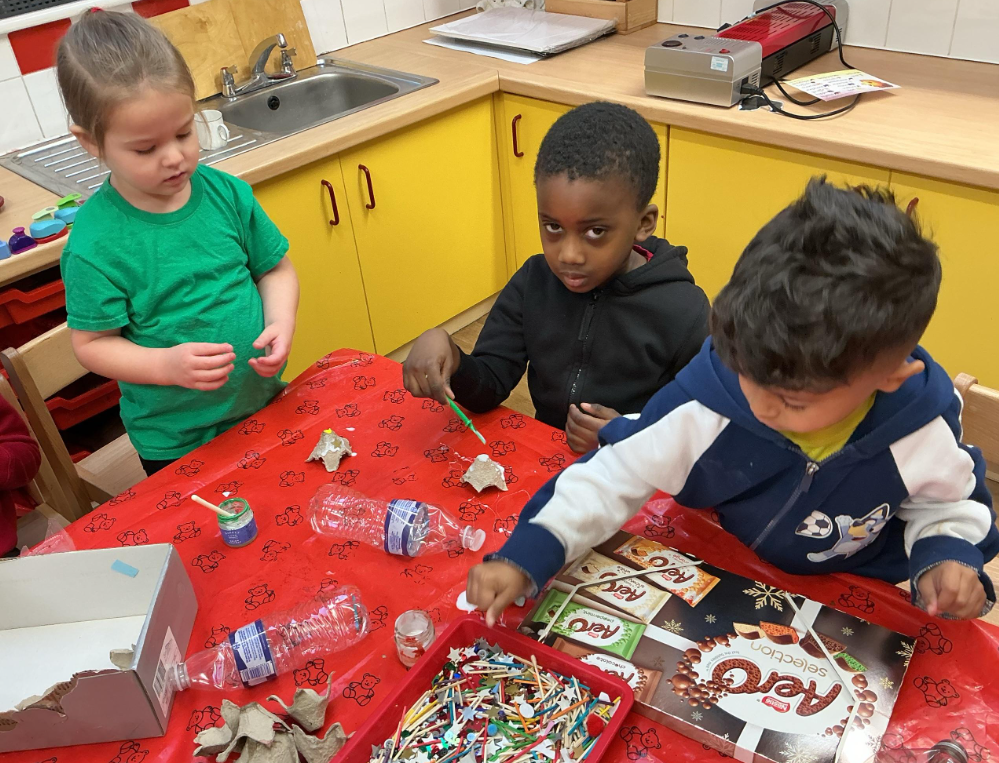
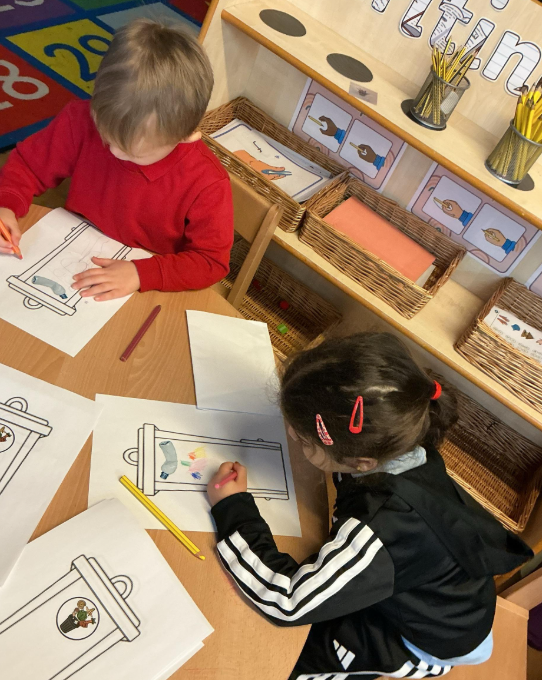
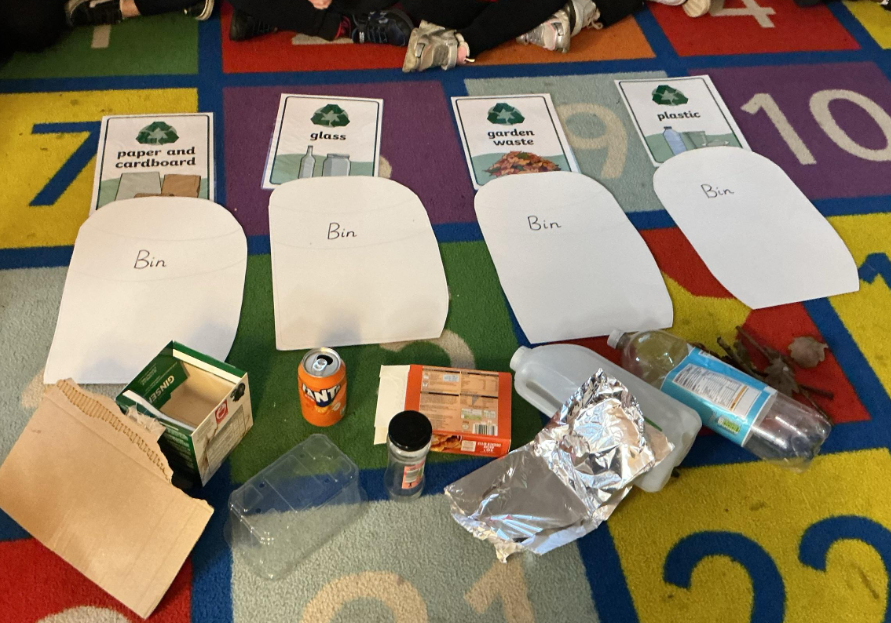
FS2 had lots of fun learning about the importance of recycling rubbish in science. They sorted rubbish, made some junk modelling and drew rubbish into different bins.
Year 6's classification lesson
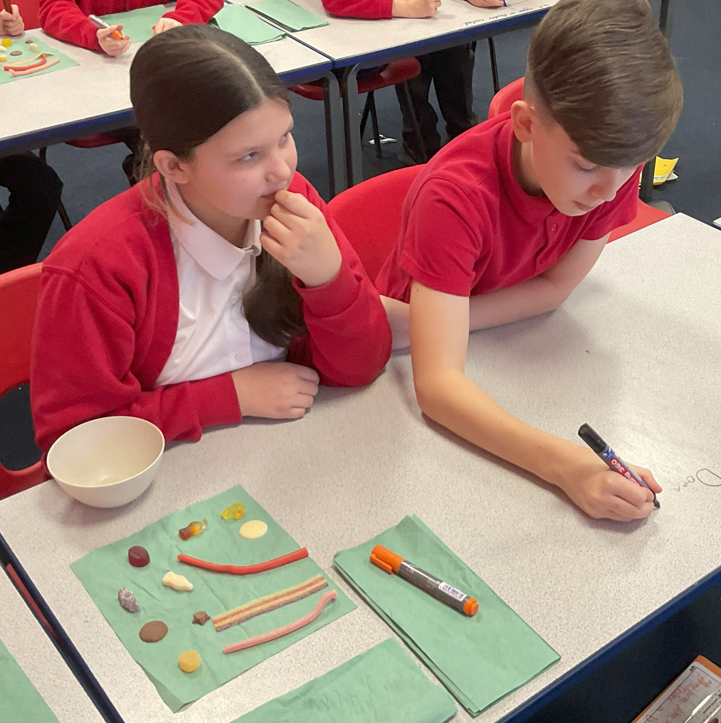
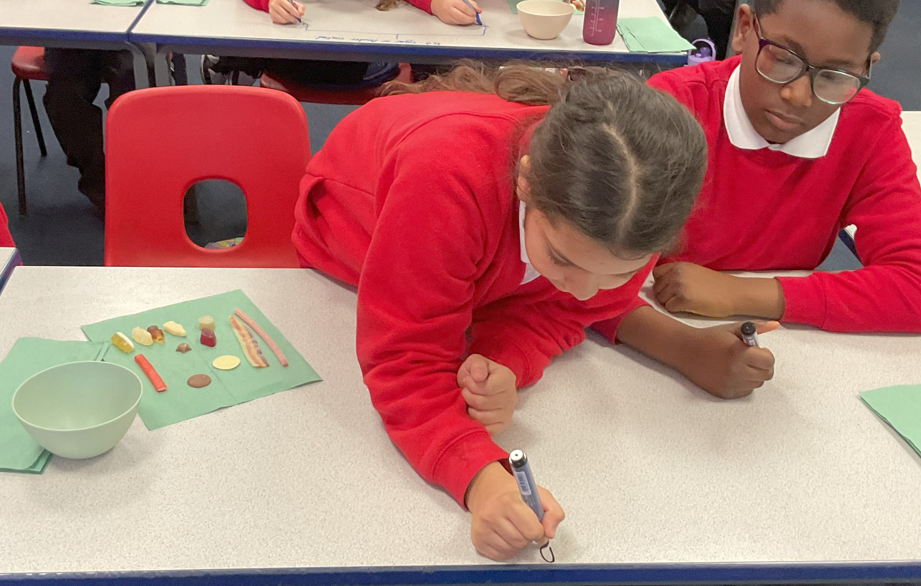
Year 6 began to look at classification in their science lessons. They looked at the different ways they could group sweets just by their physical appearance.
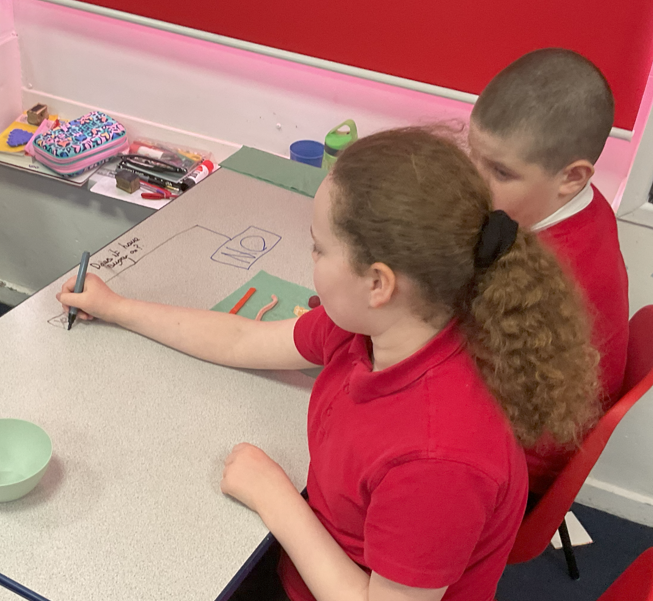
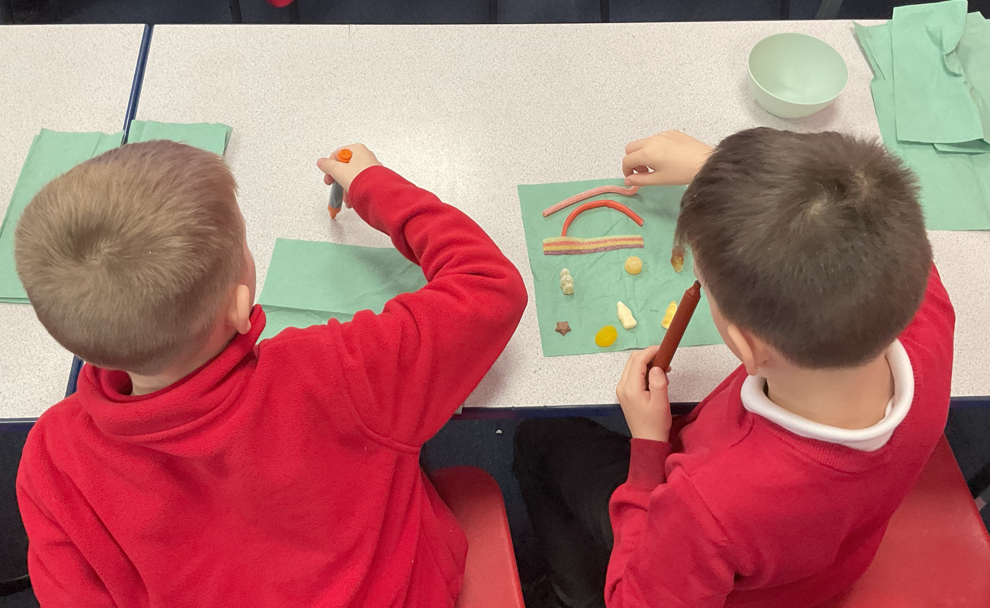
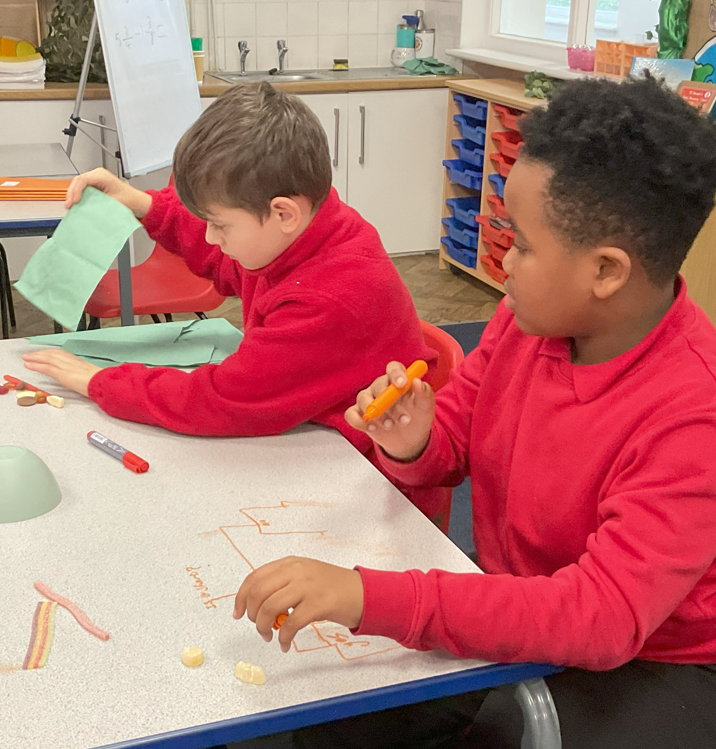
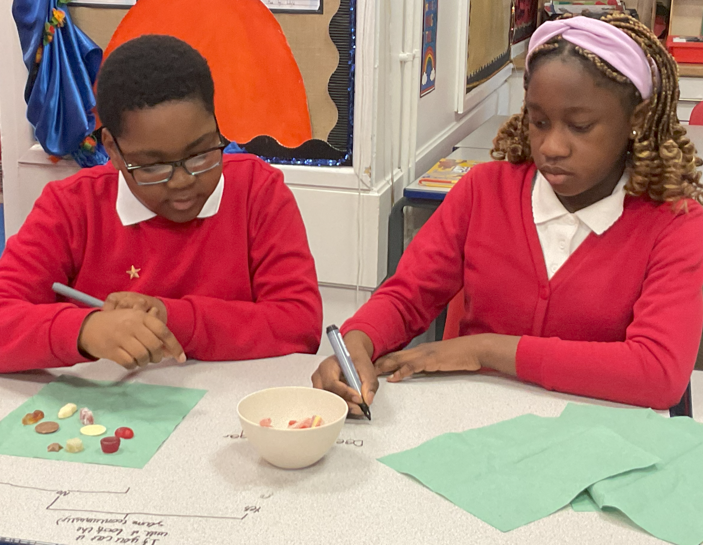
Science week 2026 – Curiosity: what is your question?
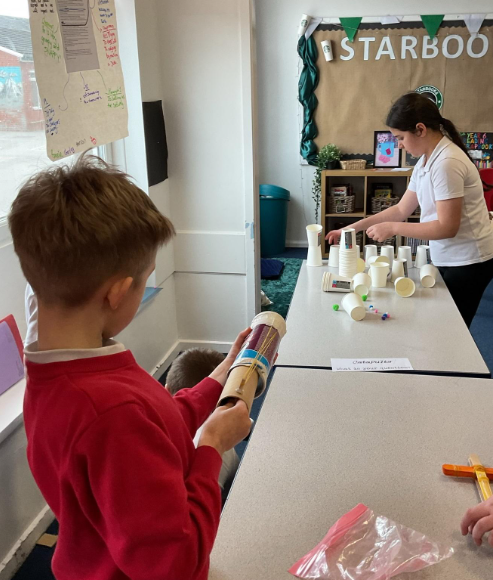
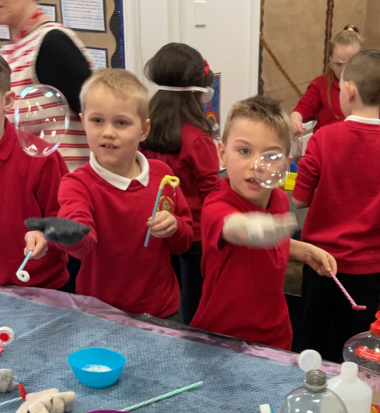
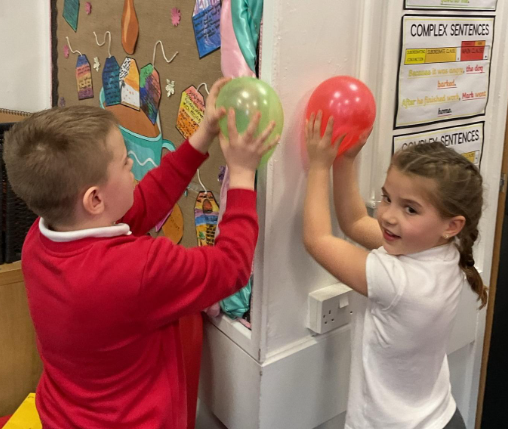
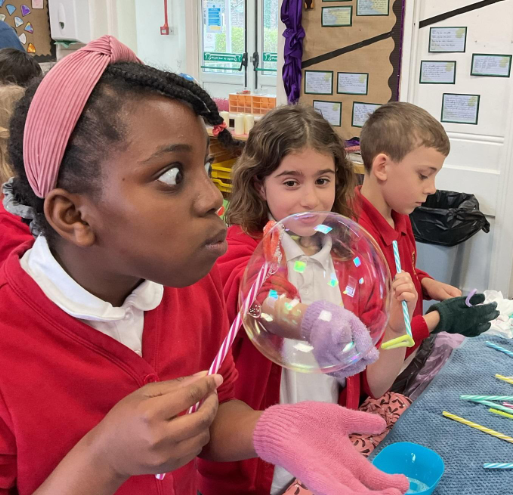
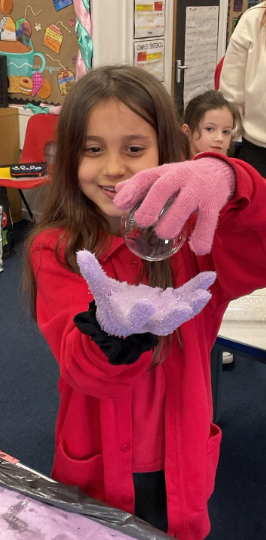
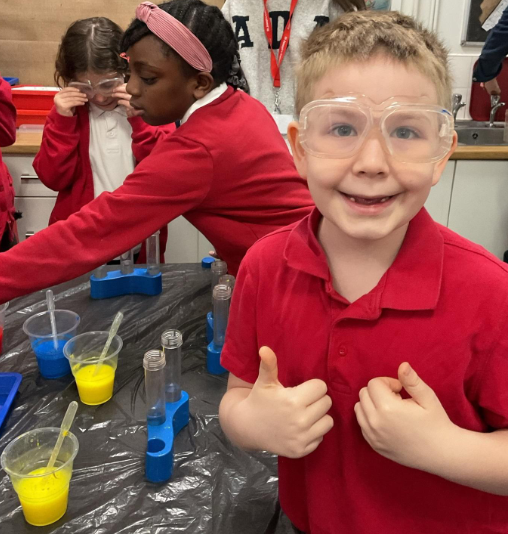
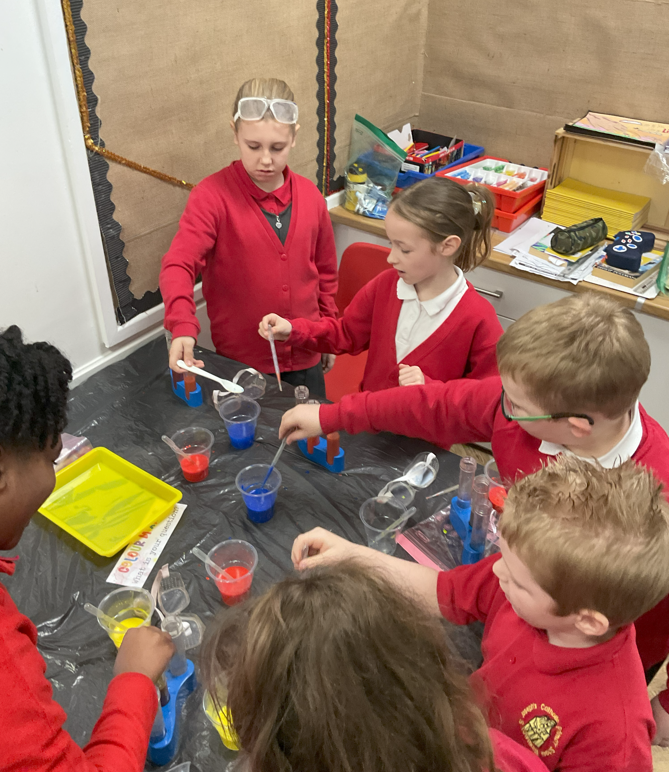
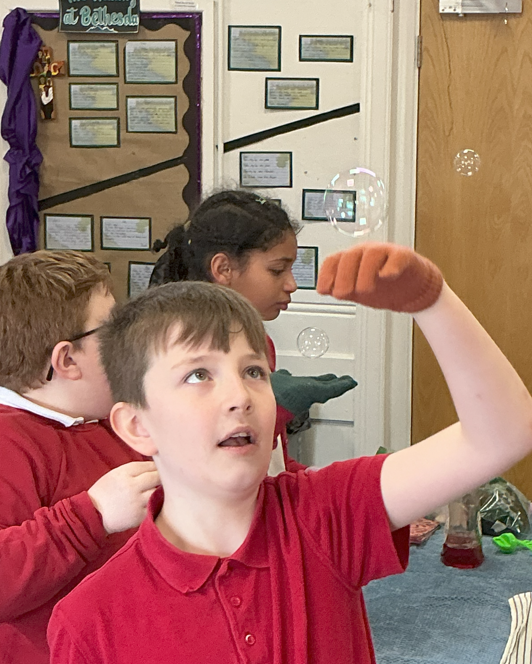
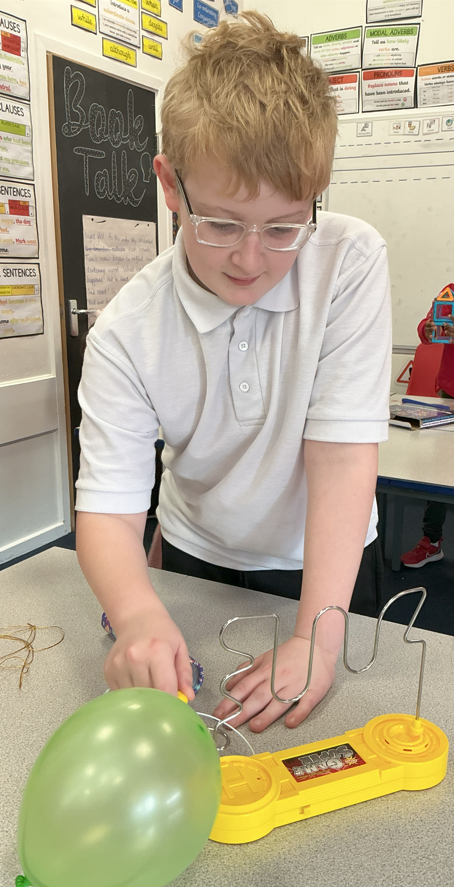
During Science Week, St Josephs embraced the theme “What is your question?”, encouraging curiosity, exploration, and a deeper understanding of the world around us. This guiding question inspired a hands-on workshop in which pupils were given the opportunity to think like scientists; asking questions, making predictions, and testing their ideas through practical investigation.
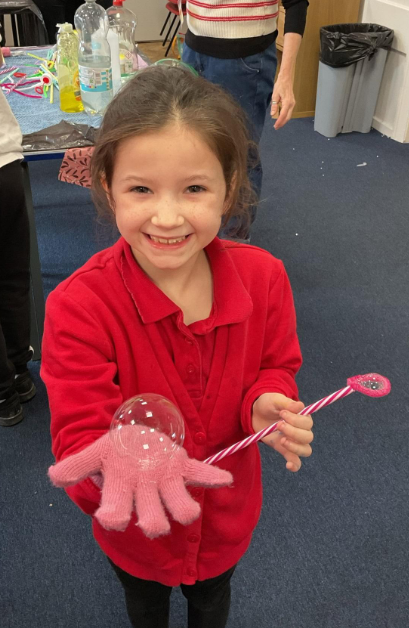
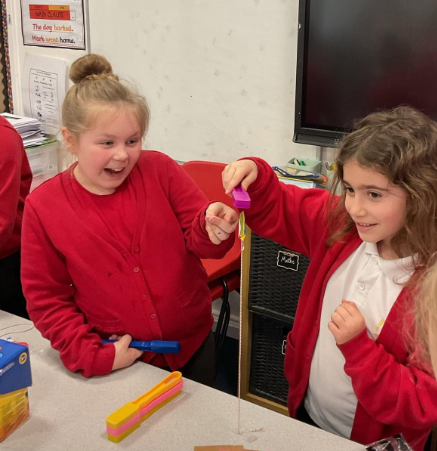
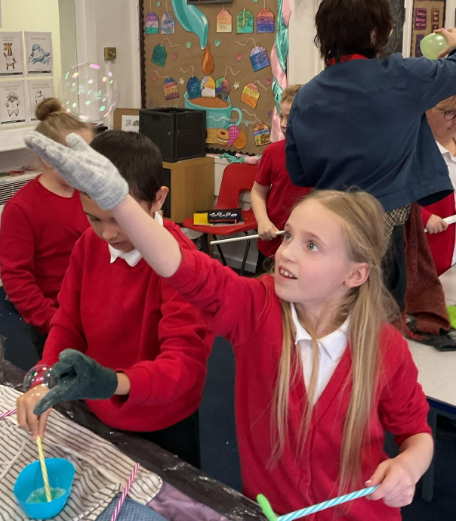
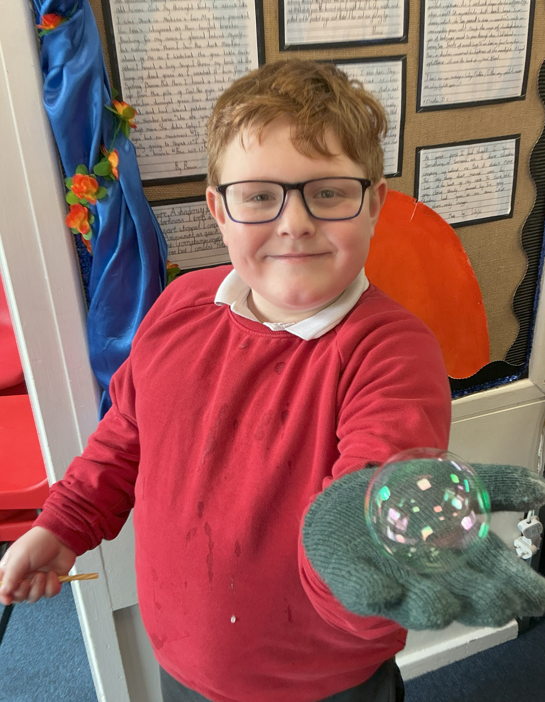
Throughout the workshop, children engaged in a range of interactive activities designed to spark interest and develop scientific thinking. They explored the fascinating effects of static electricity, observing how invisible forces can attract and repel objects. In another activity, pupils created “bouncing bubbles,” discovering how subtle changes in materials can dramatically alter outcomes. Colour-mixing experiments allowed children to investigate how primary colours combine to form new shades.
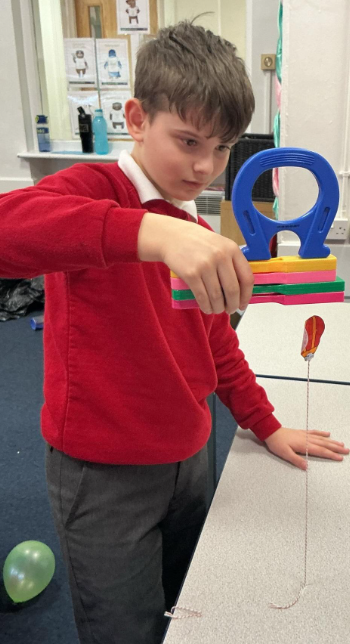
The workshop also included investigations with magnets, where pupils examined magnetic forces and identified which materials are attracted to magnets. Additionally, they applied their understanding of forces and motion by designing and testing simple slingshots, exploring how varying force affects distance and accuracy.